
Mopar1973Man
Owner
-
Joined
-
Last visited
Everything posted by Mopar1973Man
-
I can handle that. I'll be out on my ATV plowing driveways.
-
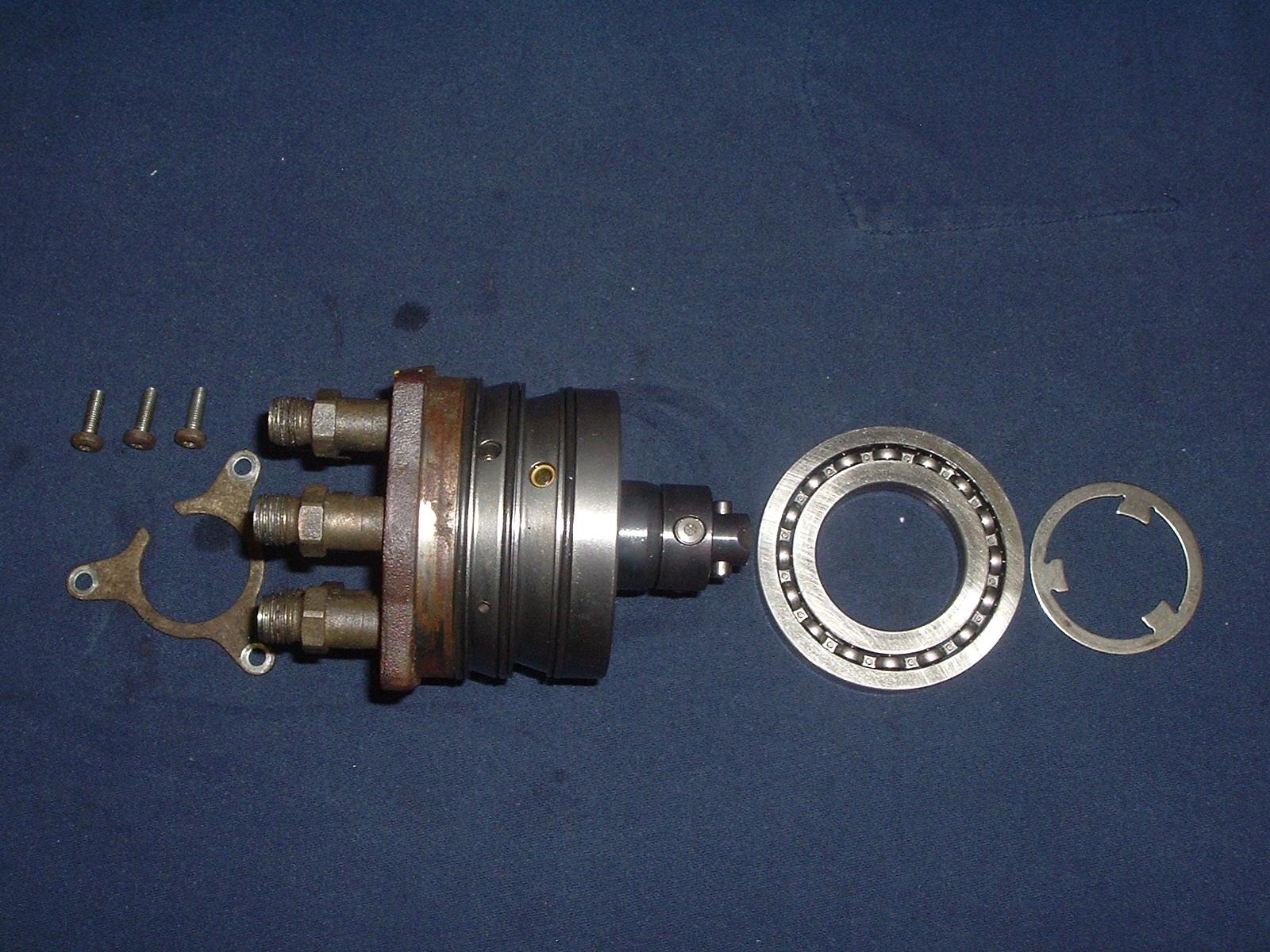
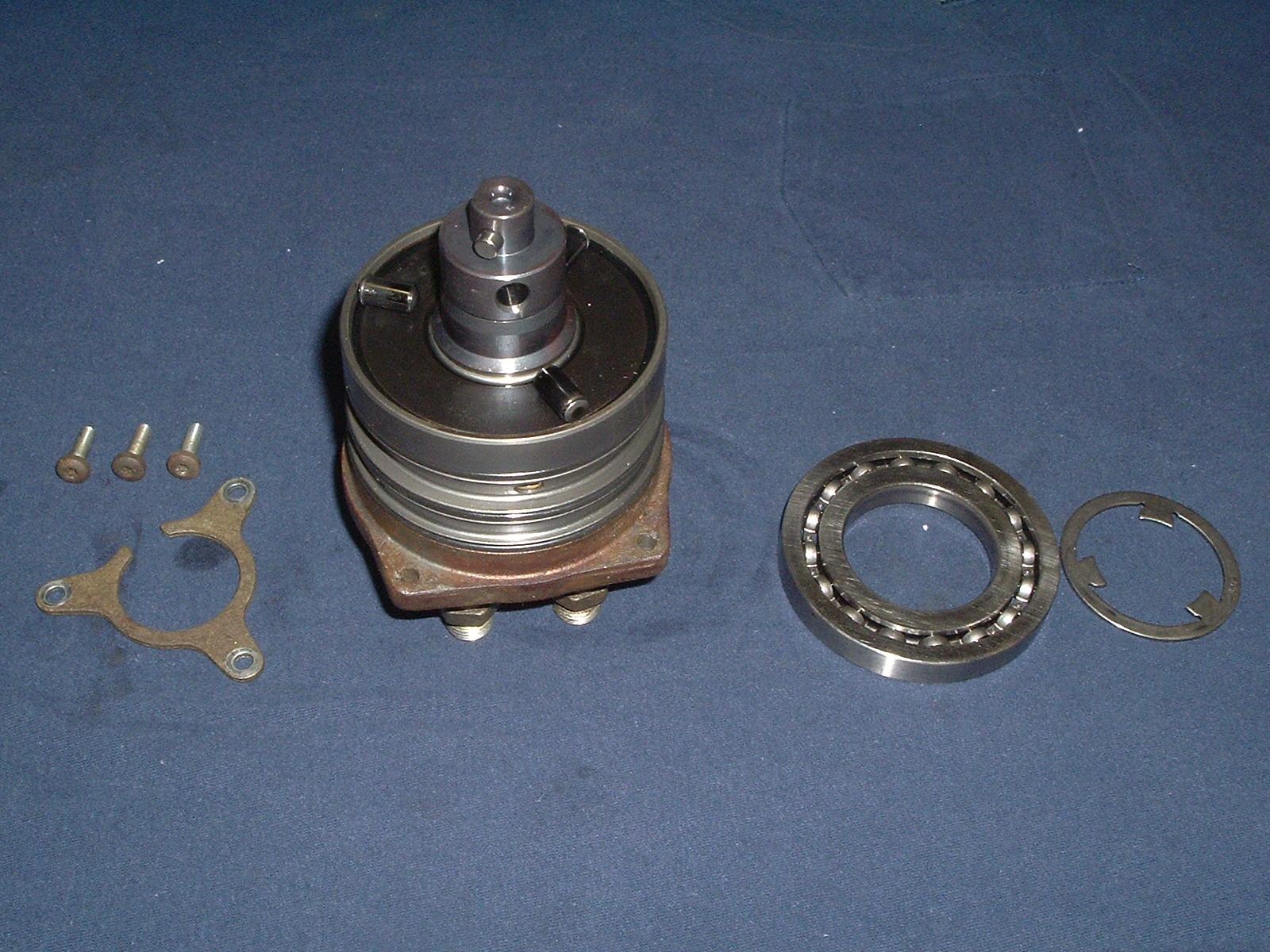
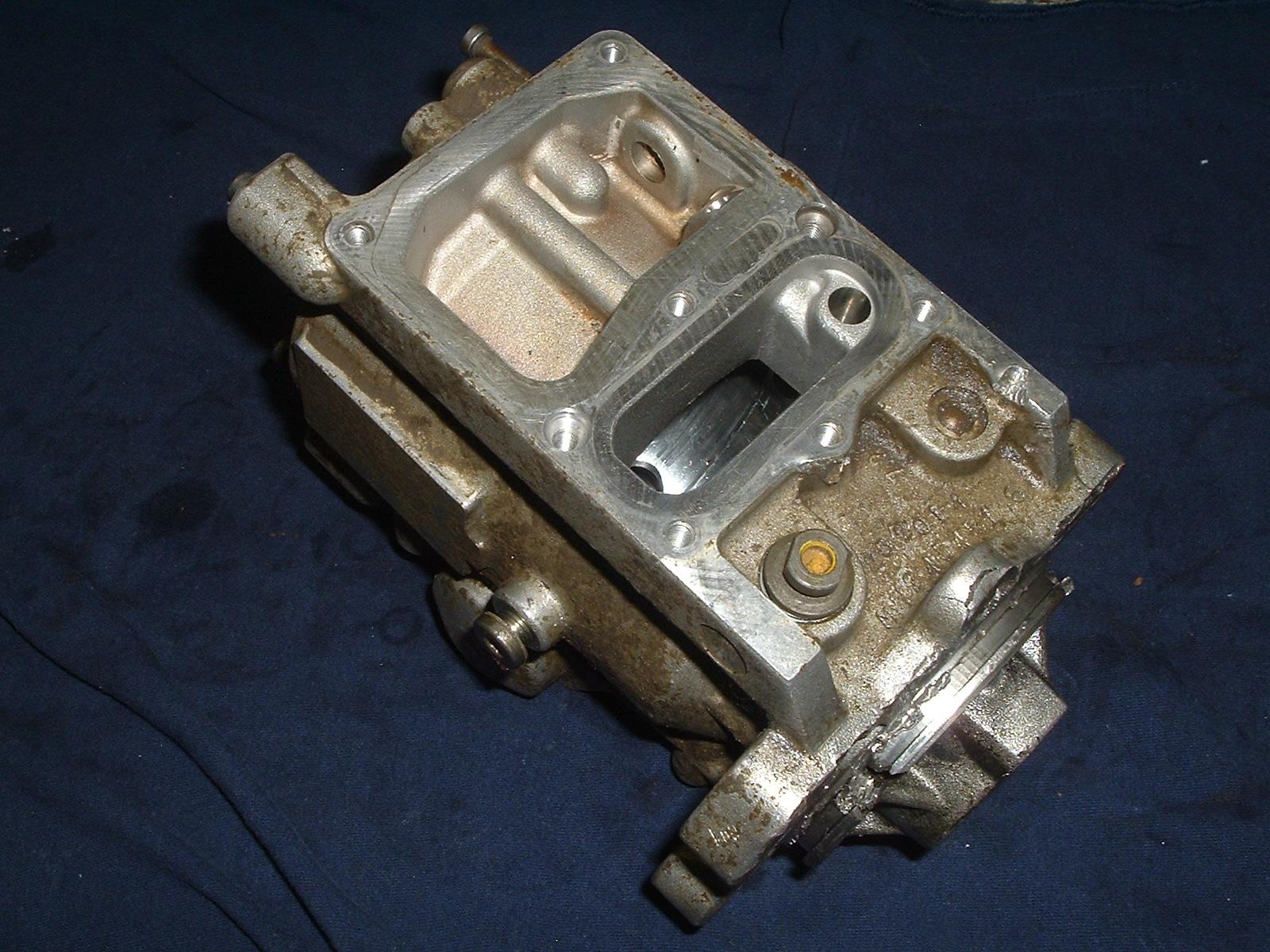
One small problem. That higher internal pressure is used to fill the pistons in the pump. There is no springs on the pistons to return them to outward but fuel pressure. The return flow is the un-used fuel that is returned to the tank. So that higher internal pressure is not seen at the return port. Being the return is routed directly to the distributor head on the other port. One in to the pistons and the other out leaving what is bypassed. The port towards the delivery valves is the return port and the port towards the shaft is the supply from the vane pump internally. Then the input fuel is also got little screens in the ports to protect the pump from debris. Pistons are laid out on the distributor head as you can see the fuel pressure is needed to push the pistons out to reload for full volume. The cam ring and shoes/rollers will push the fuel up to pressure all 3 pistons at once. As for the return routing... You can see the raised hump in the body routing to the return port from the distributor head to the forward port being the supply port is a open hole to the void below the PSG which is remove. This chamber is used for cooling the PSG since the PSG is heat sinked to the fuel.
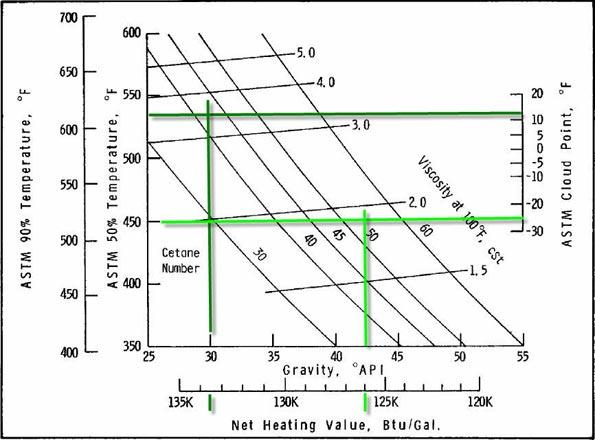
 Premium diesel is nothing more than high cetane diesel. Just to tear this statement apart some more... higher cetane is lower energy content of course just means you need to buy more fuel to travel the same distance of course fuel company will talk this up as a bonus. Better lubricity that's laughable being that all US fuel is ~520 HFRR which is sub-standard for lubricity which <460 HFRR which Bosch recommends for would optimal, Detergents another laughable statement injector cleaners don't even work in high concentrations. Actually it would help to keep everything cleaner with double filters at 3um... Chemical cleaners don't work... As ASTM grade scale shows high cetane the lower the BTU's... Dark green is summer fuel and light green is the winterized or what they call premium diesel. Just can't change that function higher the cetane value the lower the BTU's per gallon. Just for info at about 120k BTUs/Gallon is gasoline (high octane).Just look at the right side of the graph for the cst value that is the viscosity of the fuel in centistokes and higher the cetane the thinner the fuel at 100*F. Just for reference distilled water is a centistoke value of 1.0038, then 10w engine oil is 1,295 centistokes max. The other odd value is weight the more energy content the heavier the fuel is. Cennex Diesel Fuel (USA) Dark Green - 43 cetane, 133,000 BTU's per gallon, 3.2 Centistokes viscosity, +14*F pour point. Light Green - 53 cetane 126,000 BTU's per gallon, 1.8 Centistokes viscosity, -25*F pour point. Then again... Go back to this post in this thread...
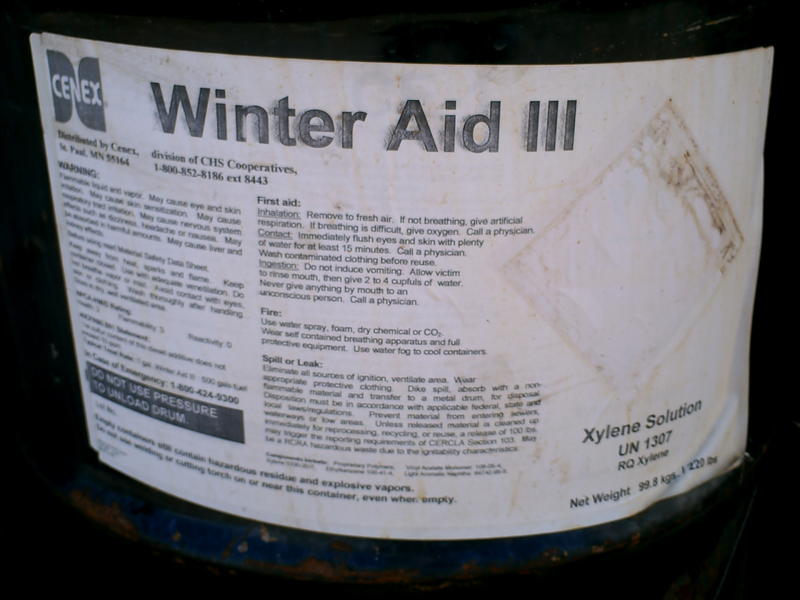
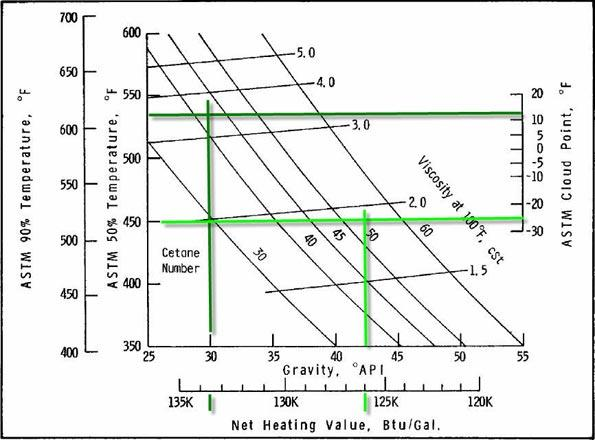
 With larger injectors your fuel duration is much much less over stock which has much longer duration to pump the same amount of fuel. Hence that why when you look at the stock trip computer if you injector sizes the MPG goes up. Like Thor is only +50HP injector be the MPG display on the trip is 2 MPG higher than actual. This shows the shorter duration that the ECM is seeing. Just with my injector set up increasing to 320 bar well now my injectors are closer to 310 bar and still going being I've got an idle around 7% compared to 13% when they were new. As for the common P0216 code. Well after seeing it with my own eyes and taking a VP44 apart. The piston is a very hard steel that is black anodized. Now the sleeve in the pump was originally brass sleeved back in the day and now its also harden steel sleeve now. So when the lubricity is low (US ~520 HFRR) the galling will start. Once the piston is sticking enough that when the ECM calls for timing changes and it doesn't move in a about 300mS then the VP44 tells the ECM set the code P0216. Now the pump I've got here to get the piston out of it you MUST heat the entire body around the piston with a propane torch to expand the body enough to get the piston out. That's how wedged up it is with galling. Now I though for a parts show piece I would clean that up a bit with a file and make it fit better. Nope not happening, that steel is very hard. P0216 code is fully a lubricity failure now being fuel pressure problems have been fixed with better pumps. As for whats inside the PSG. Don't let it fool you too much. There is only 2 devices it controls. Throttle and timing. That's it two leads to the hydraulic control valve for timing and electromagnetic solenoid for the fuel pin. There is a bit of diagnostic software and software limitations that the PSG will accept like throttle value in decimal is from ZERO to 4,095 which when converted to hex is 000 to FFF. This why any CANBus only tune can get +60 to +65 HP. There is only so much you can squeeze out of the limitations on the communication. This why wiretapping allows more because now a tuner will hold the fuel pin open longer of the piston stroke in the VP44.Oh my... thats why I moved from California to leave the earthquakes. Funny I experienced my first earthquake up here last year which was like 4.5 mag quake.I would leave it for a time. Just watch and see if it settles later on. Lot of times it does.Highway 95 us always open. Now State Highway 55 is questionable. With the road construction and the amount of closure not too good.Freaking awesome...If you want ot reduce the 1/4 tank issue. Rearward is best for launching hard or center for most common driving. The last straw I installed actually suggest by AirDog to cross drill the straw at the bottom location and then cut it off so its touching the bottom. I changed it slightly and measure and cut it to touch the bottom and then notched it like what mine is with a cutoff wheel. Nothing hard but pulling from the true bottom.Alternator charge is based on the blue and green wires from the PCM. The PCM has to see tach signal first BEFORE it turns on both the green and blue wires. The blue wire is +12V after tach signal. Then the green is variable ground also switched on after tach signal. If the blue wire shorts the 20A fuse is too big and typically burns the tracer out of the PCM so the blue wire never powers up at all. The green will work just fine with no issues. So verify the green and blue wires of the alternator first. Make sure the blue wire is +12V after starting and then reverse yourself around and test for ground on the green wire being the field is unplugged it should show as a solid GROUND being the voltage will be below 13.5 Volts.Just depends on if your pumping from the tank or the return fuel in the sender. The return fuel is going to be hotter. I pump from inside the tank, not out of the sender basket.I've rebuilt a few fuel drains on the early 2nd gens (98.5 to 00). You can take them apart and just change the o-rings which I've got a set of o-rings in the truck for this purpose.Exactly...Another common one I used to pull over for every Cummins diesel along the highway to assist. 90% of the time I found couple of punk kids in the cab barrowed Daddy's Farm truck and since the truck was low on fuel snagged a bit of red dye fuel or possible a full tank. Then took off. Typically in a few miles it gels up because typically most farmers dont use all the diesel up and get winterized fuel in. So now the kids think its a free ride to go have fun with Daddy truck but now get stuck because the fuel is summer fuel and gelled up. Really common out here.51 years old now. I still bounce off the ice in my driveway every day at least one or two times. As I try to do the Curly Shuffle across the ice to the shop or out to parked truck.I've done that in the past. I've got my little ATV Honda Rancher 420cc. That ATV is so light I can ride on top of the crust of snow and never sink down in. Where usually buddies bring out the big 800cc ATV's and get stuck all day long.I've got less than 1/2 cord left of dry wood the rest is under a snow pile unsplit...That was the thing that trigger that study was even with 2 cycle oil as a lube for the fuel I had people dumping mass amount of cetane booster on washing out the effect of the 2 cycle oil still getting P0216 codes and other pump issues. This what stemmed off the lube study deep and then the cetane study of local fuels to find out what is actually needed for trouble free operation through the winter time. So in 439k miles I've never gelled up once. But I've go one of the coolest running VP44 my fuel temp is lower than most. But since I kept my stock fuel filter I still got a fuel heater and collect warmth for the fuel from the manifold. This done by the coolant passage that is near the stock fuel filter this why I ALWAYS suggest you keep your stock filter in the northern states or anyone that travel in the snow. In 439k miles on The Beast (2002 Dodge) last VP44 lasted 243k miles. Never used cetane booster - Why do I want to reduce the BTU content? Never used Anti-Gel products - Why add in more paint thinner to ruin the lubricity of the fuel to keep it flowing? ALWAYS bought quality fuels that I knew met the grade (after study of course) ALWAYS used 3um filters on the AirDog and 7um filter in the stock location. Double filtered. Again as ASTM labs states... There is no benefit to using a higher cetane number fuel than is specified by the engine's manufacturer. The ASTM Standard Specification for Diesel Fuel Oils (D-975) states, "The cetane number requirements depend on engine design, size, nature of speed and load variations, and on starting and atmospheric conditions. Increase in cetane number over values actually required does not materially improve engine performance. Accordingly, the cetane number specified should be as low as possible to insure maximum fuel availability." This quote underscores the importance of matching engine cetane requirements with fuel cetane number!!!I've seen those before but I'd always though it would work out to hot. I guess so... I'll admit I've never tried it but I bet its fun.Another secret I used. I used the ability I'm with a fire dept to get information for safety study of common household chemical that might be on a ranch or farm. SoI was able to ask that clerk for contact information for the phone number of the company supplying fuel. Then contact them and keep going. Keep asking questions and keep asking for someone with more knowledge of the next thing you want to know. Then you find yourself most likely talking to a refinery at the last step getting the specs of fuel, how the trucks are loaded, etc. I'll tell you you can waste a good solid day to two days do all this study of just one brand. I did Chevron, Cennex, Maverik, and a few Mom and Pop places too. Just to see if there was anything different.Secret... Idaho gets it fuel from Salt Lake City UT or Seattle WA. All diesel fuel is raw till it put in the truck. Then all the additive package for what brand of fuel. So the fuel all comes from the same start but when the truck tanks are loaded you have a final product that can ship anywhere. Yeah I did my research right back to where my fuel comes from how it's mixed and what level. As for common PPD (pour point depressant) it common sold under the name Xylene. Yup paint thinner. Use to have a Cennex up here that sold the PPD for ranchers and farmers. I'll have to dig up the photo. Xylene is also used in cetane boosters. Yeah I've done my homework. Then as you figure your cetane and everything in the you'll notice on the ASTM labs test scale you find higher the cetane the lower the BTU's. Dark Green is the summer fuel as tested using specs from local fuels. Then the light green is my winter fuel and tested by specs. Then look at the bottom of that for the BTU's and you can see the loss from 43 cetane in the summer to 50 to 53 cetane in the winter. So the last thing I would want to do is add MORE CETANE or ANTI_GEL being our fuel is pretty solid to -30*F which I did one winter left my truck in a field for the night and came back and it fired up a bit rough but no issues. IIRC... This was local Cennex fuel when I did my study...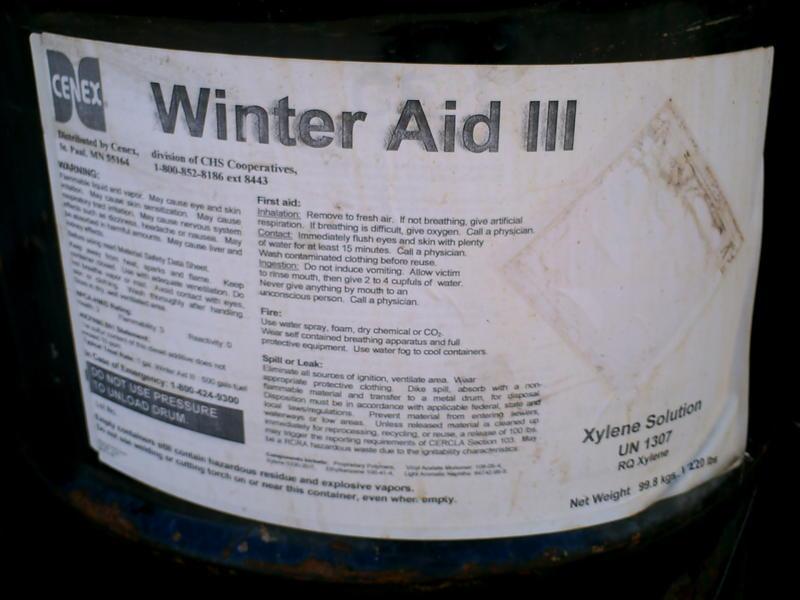
 Assuming its a power relay setup and not a direct plugin to the ECM.I know the feeling I did the same thing yesterday working on 2014 Ram 6.7L Cummins doing a clutch and rear main seal. The control arms are so big for the front axles it too narrow for me to slip under so its rather challenging to shoulder walk under the truck and turn past the control arms. Hopefully today I'm done with this one. Ugh...Strange... Still in the deep freeze here. Started at a low of 19*F and yesterdays high was like 34*F. Might get snow in this next week and the snow amounts up here look good for now but I would like to see more snow really.