
Mopar1973Man
Owner
-
Joined
-
Last visited
Everything posted by Mopar1973Man
-
I've been working on improving the server's performance over the last few days. I've done some memory management with the Apache server and PHP compiler. The CLS issue should come to a close very, very soon. I've been testing the code every night to ensure it's working properly. The page shouldn't jump much at all now. I've got Redis Cache loaded up to see if I can gain a bit more speed or use less time to paint a webpage for members using mobile phones. I've gotta give it some time for the cache to load up with page information and start working. This takes time. Now between the Redis and the changes to the MySQL server memory settings I've managed to improve performance here and make it load faster for most of us desktop users. My lab data for testing mobile devices is actually slower than I like but it should be nearly a passing grade.
-
Are you going to rebuild your HX35 turbo or core it out?
-
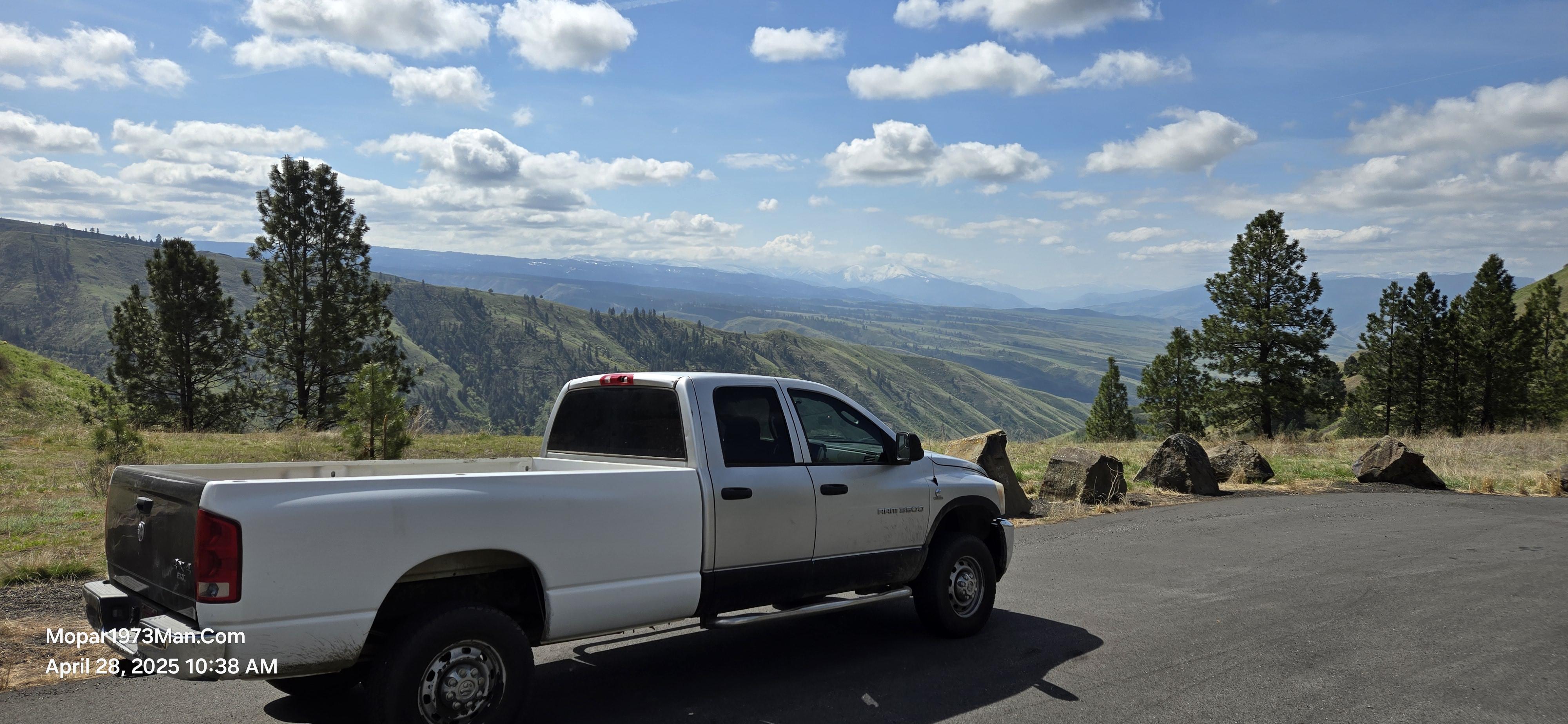
I've been playing with Thor to see if I could fix the AirDog 150 to get closer to 15 PSI. I found a spring at my local hardware store, and it was way thicker, but after a bit of trimming work, I got the fuel pressure to settle at 22 to 25 PSI. Yeah, I know it's high, but I wanted to be sure the CP3 is loading fully and getting good, solid rail pressure. I'm struggling to understand the grid heater light, and it typically trips on deceleration. I'm doing more testing to figure out my issues. Today I've got to run back to McCall to return core calipers for my core money. Thor is going to do the task.
-
Yeah, I just got done doing brakes on Beast. Both rear brake calipers had rusted pistons that were so jammed that I couldn't seat them. @Tweety Bird was telling me just get it repaired, we need the trucks to function properly. I most likely got a little tear in the rubber boots, and the road salt finally ate the calipers up before the pads were even worn out on the passenger side. The driver's side rear pads were nearly gone due to the rusted pistons. In my position, without a shop, it makes it rather tough to get creative with rebuilding calipers. Yeah, part changer, but at least Beast is safer to drive.
-
The oem hose was blue silicone lined hose. Heater hose will get soft and gummy over time.
-
Yes. Anything to prevent oxidation from happening.
-
Heater hose will work for the drain to block connection.
-
Oil will burn off during running. This is why I mention looking after it sat for a night it will leave a wet trace on the valves stem as you look in each port. Intake is bit tricky but if you had a wifi bore scope you could look at each port see if the valve stems are wet with oil.
-
Sadly if it's not leaking on the ground it leaking internally and being burnt as fuel. Vacuum pump would leak on the ground Front / rear crank seal would leak on theme ground Tappet cover would leak on the ground. Valve cover would leak on the ground. Valve seals yup it would be burnt as fuel and only be seen after the engine sat all night and Valve stems would be wet with engine oil. Piston rings yup could burn the oil as fuel too but blow by would be noticed typically. There is one case here from @jlwelding that had a cracked piston that past blow by test. Only proper way to test is a compression test. Lower compression would point that out.
-
It's electronic based issue in my opinion. VP44 ECM ...but ECM would throw a code. VP44 has been known for problems without setting a code. Strange like it's skipping a cylinder like injector drop test on a DRBIII tool.
-
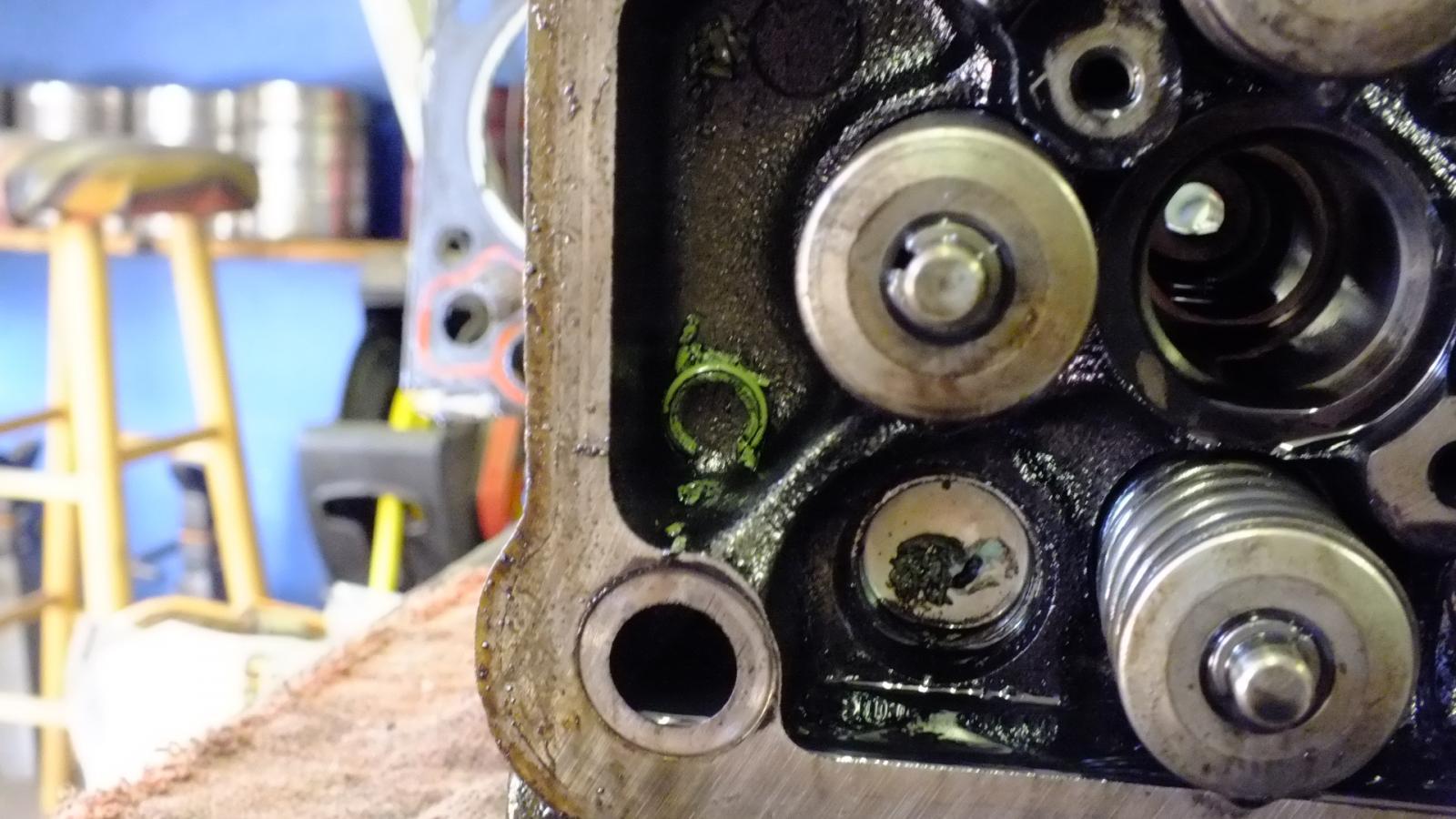
Some how you need to see the valve stems to see if oil is weeping past the valve seals. 350k on Beast If valve guides are bad the valves will rock and eat the seals off the valve. This will allow oil in during idling and low boost conditions.
-
I'm glad I marked the solution above for you. Seems you got it mailed in. Just adjust for steering center on the drag link.
-
That turbo looks fine. I would pull the manifold off and check the exhaust ports for oil.
-
https://www.facebook.com/share/p/16ordx3xH9/ Yeah i returned to Facebook and started posting to share with my local community.
-
Let me think on this more. I'll sleep on this and see if I can figure another test to get a clue. Oh. How about error codes? Still the same?Today I was out in the yard running the little skid steer, loading bricks and concrete. Just getting things sorted out of the dirt is taking the most time. I just found the couch, which is pretty flat and crushed. Finding items from Marks' living room, I found the new but beaten network hub, which was less than half a year old. At about noon, it got pretty hot here, so we abandoned the front yard and came in. Still I've gotta give a huge amount of love for the Dischinger Family that continues to allow us the use of the skid steer. I made some pretty basic cheeseburgers for lunch. I don't know why... I was in my grey scrubs and grabbed my phone, went out, and just recorded a video and uploaded it to Mopar1973Man TikTok explaining I'm back but different from my cancer. Then, to flip the camera around and show off the work we managed to get done cleaning up the mess of a shop being smeared across the yard. Tiktok & YouTube have the video on my Mopar1973Man Accounts. Yeah I'm trying to let people know I'm back and things are starting to settle down now my health really isn't changing much right now but I have issues yet. I got busy trying to organize a bathroom between @Tweety Bird and myself. Crazy when there are two of us who do makeup work in the bathroom. There is a fairly large counter area for all of our makeup stuff. Yeah, I go into my little corner and start unloading my travel bag since I'm home for now and not traveling anywhere for now. Amazing how much black eyeshadow powder is on the mirror and even the counter. Time to clean it up. That's a hobby I enjoy is my makeup artistry with my character Titanium. I'll continue to post this in his blog area.Out here there is only NAPA. No other part stores for miles. No autozone or similar. When the filter will not hold to the lid there is a problem.Weird. As far as I know, the pitman arm and the input shaft can't be moved because they are keyed in one position. Are you sure you are at the true center of the steering box? Was the gear and rack messed with inside the steering box?Be aware, I just found out the new filter I picked up this morning is defective. How? If you pull the old filter off the lid, it typically takes some force to pull the filter from the lid. Now, the new filter head that fits into the filter lid is too small and will fall out when just inverting the lid to install. Do not use these filters, you could be stuck digging the filter out of the filter can. I had pulled the last two filters they had to try them all them are too small. Now I even check my local repair shop in Riggins, ID and they have the same issue with the filters too. Just a heads up warning. https://www.napaonline.com/en/p/FIL3585XE?srsltid=AfmBOor2fo7JREB0ssAAUaSx9TJkw3XmEsldEQTuiajjlhuPE-pqkqsbMark iand Hachi (his dog) is in my basement bedroom. We are all working together to get the mess cleaned up. Difficult at best working with a broken set of sockets and wrenches. I'll be doing videos soon and posting more to YouTube and Tiktok.Turbo check Try pulling and pushing the shaft like an old-school headlight switch. Any movement is an instant fail! It's possible for oil to be leaking because the shaft is moving. Then, if you can move the compressor wheel like a joystick, and the wheel should never touch the housing, this is a fail also. Turbine housing can be clocked by the four bolts and loosened, removed, and clocked correctly for your application. Then the compressor might have a large snap ring; you can release the compressor housing and clock accordingly.It doesn't look like there is any oil in the turbo section. You might pull the turbo off quickly. Now, inspect the ports on the turbo mount for oil in the manifold runners. If you can plug the oil supply temporarily, you could start the engine and check to see if any oil or smoke comes from the manifold. Optimal would be to pull the manifold off and look into each port for oil residue. You could use a bit of cardboard to hold in front of the ports and check for oil splatter out of each port. Don't rev the engine! Oh yeah, grab a die and chase those studs, and then buy a few stainless steel nuts, at least they will not rust, and make sure to anti-seize those good!I know that in the 2003 Dodge FSM the specification for fuel pressure is 9.5 PSI Minimum. I know that future books, like 2004 and forward, do not list fuel pressure specifications. I'm going to call the minimum pressure for a common rail engine a minimum of 10 PSI. I'm going to aim for 15 PSI with the AirDog 150. Problem I'm pretty sure I got a tank of debris fuel and most likely the fuel filters are plugging up and causing the grid heater light to come on because the demand pressure on the rail is not stable so the 2012 firmware update that creates the P2122 and P2123 codes is watching the pressure on the rail and when the rail cannot reach target or the rail pressure is swinging too low in pressure between injectors events. Here we go gang I'm going to start an article based on this and build a fuel pressure article for 3rd Gen trucks so people can get help with grid heater light, P2122 or P2123 codes. Video https://youtube.com/shorts/Iw3iiLTI-GY?feature=shared What has been done so far... The return fitting of the AirDog was removed, and the check ball was found stuffed in the coil of the spring. I modified the spring by bending the last coil over so the arm of the coil blocks the center of the coil, so the check ball rides on the top of the spring. Then the spring was shimmed with 2 washers like I did on Beast. Barely gave me 10 PSI by the time I got to Riggins, ID. It dropped to 5 PSI of fuel pressure. I plan on replacing all filters again. Both AirDog filters and the engine fuel filter, too. I gotta call my local NAPA store with the part numbers I have on the website. Replace all the filters and try again.Yeah, with all the stress of dealing with the mess in the yard, then the mess of everyone crammed under one roof. It gets to everyone here, so sometimes you just gotta get dressed up and grab a truck and go wander out in the woods looking for camping spots and even take Mollie, our fur baby, with us. @Tweety Bird found me a light ash blue wig and even picked up the lipstain as well. @Tweety Bird She is such an awesome fiancée, she is always trying to add to my Titanium makeup and clothing. We loaded up in Thor and took off up Smokey Boulder Road looking for different camping spots. We found several spots that are deeper back in the forest but close to the Boulder Creek so we can go fishing. Oh yeah, Huckleberries are out and OMG! I found a hotspot back in the woods, just full of berries. Here lets just post the video.