
Mopar1973Man
Owner
-
Joined
-
Last visited
Everything posted by Mopar1973Man
-
I typically use canopy weather stripping for resealing the evaporator which works pretty well. Heater core can use some too but pretty thin stuff.
-
In those cases, I like to hook the ground last to the block or frame metal on the other vehicle.
-
Suggested to do both then there is no generatio of power anywhere.
-
That's about it right there. Nothing really left.
-
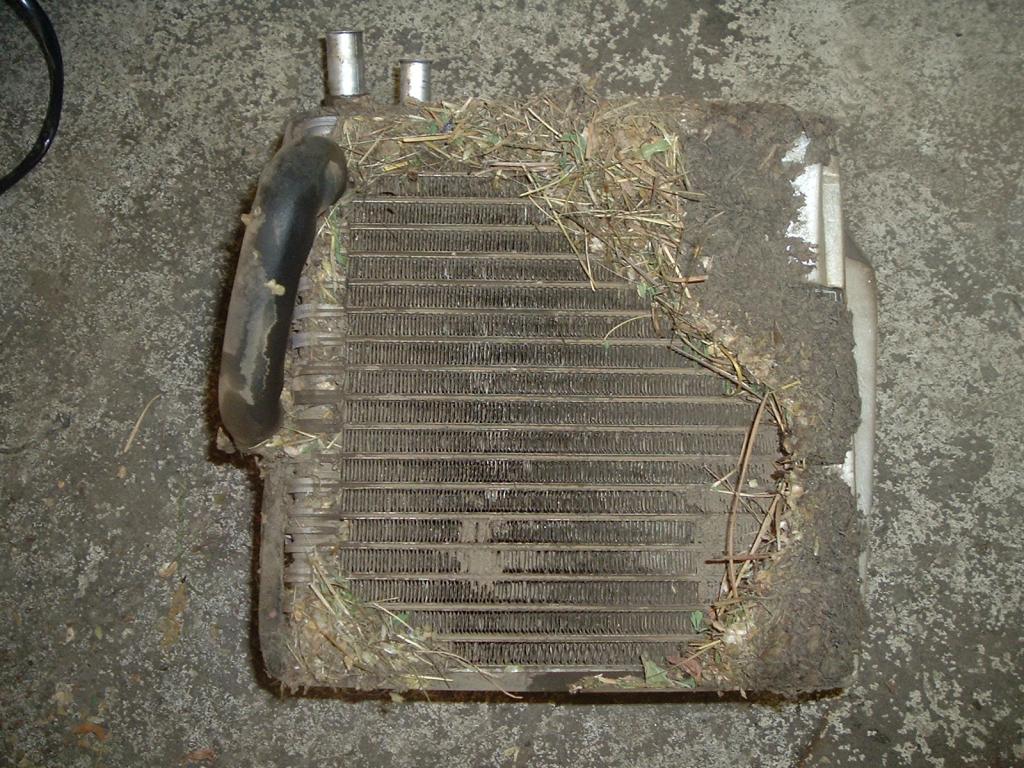
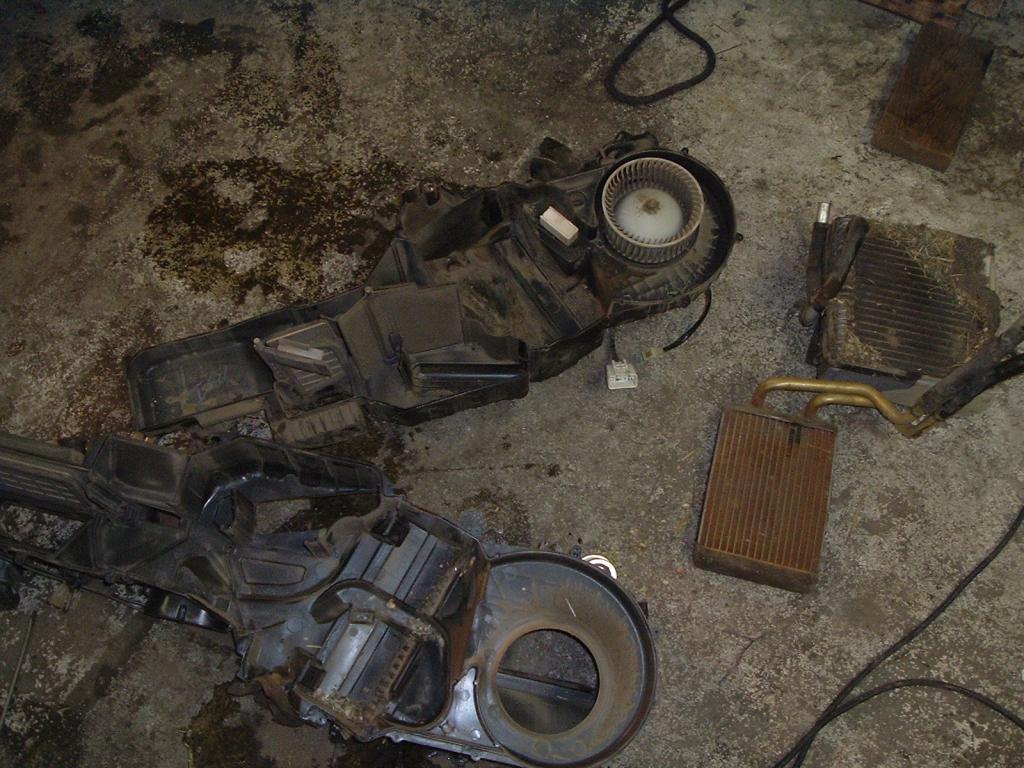
I want to bring your attention to heat core servicing. I know there is a thread over on CF explaining on how to do the short cut method where you cut the tube ends and hose clamp inside the truck. This gets around the idea of having to recharge the A/C. I would like to advise against this method being so far the HVAC I've open in the years all them are truly funky looking with everything from mice nest to like this one with packed hay and road dust. If you going to do a heat core do it right and take care of everything. This includes the stepper motor for the blend door, dust and debris on the system, check your blower motor for problem and resistor.
-
Absolutely Perfect!
-
Good thermostat should be completely closed by 188*F on a live data tool.
-
Myself... If I'm jumping others I woud start with the RED leads and hook my positives up on both vehicles. Then hook up both BLACK lead on my negatives or make my last connection to the ngine block of the dead vehicle. I would set my 6 CYL high idle mode. Then sit back and wait at least 5 minutes minimum for the high idle to charge the dead vehicle a bit before telling the driver to try starting. Once started I reverse out of my set up taking my grounds first then my positives. This way you never have a point of arcing cables. Watch for a lot of GM/Chevy vehicles have stupid side post. Usually, they will have a POS connector under an RED plastic cover for jump starting. That's one thing I've never done yet for my truck. Is having to jump start my truck. I've NEVER had a dead battery!
-
Man, you have no idea how much of up hill battle it is with tinfoil, grounds and relocation of grounds. Over on CF its a never ending battle of goffy people still listening to that same old stupid idea tinfoil fixes torque converter problems.
-
I just hook them up. Just be sure of polarity. That is the only mistake that will wipe out an alternator. The other question are you needing a jump start or are you giving jumps to others?
-
Here is the Holset Service manual for you. HX30_32_35_38_40_GW-1.pdf The only thing I ask is would you document your rebuild with lots of pictures. I would love to have a turbo rebuild article produced for the site.
-
More or less get what you paid for... $20 bucks isn't a whole lot of quality there.
-
If it was me I would pull the turbo and rebuild it yourself. The bearing kits are about $100 or so. Look for Holset Bearings no cheap china stuff here. While the turbo is off, look and see how far that oil went into the system if it reached the intercooler you going to have to pull the radiator and the intercooler to wash the intercooler out with solvent. As for the metal, it could be piston wear to from the ingested dust from the crappy K&N filter. This you can do a compression test to verify the health of each cylinder.
-
I remember those days... Dave is right the mirrors don't get hot or even warm to the touch. Just warm enough to shed the frost or ice. They do also get warm enough to help dry the mirrors of but it takes quite awhile to do.
-
I'd love to see this done with lots of pictures.
-
I'm running a 30" NAPA muffler and love it. I've also done a 4" Diamond Eye exhaust on a 1995 Dodge that sounds about the same. Also running a 30" muffler from Diamond Eye.
-
Metal is still disturbing. The problem is finding out what metal is from. Blackstone will tell you what kind of metal but that's about it. It will give clues on what it might be. Also don't discount the turbo it might be the source of the metal being you already seeing oil in the turbo.
-
In the pan, I'm not worried about it as much. You've got the magnetic plug capturing the debris. Then the oil has to be pumped into the oil filter. Again going to be captured by a full flow filter before going out to the engine bearings and such.
-
Standard oil change is 7500 miles. I would half that at 3750 miles.
-
It would be along the lines of R&R injectors price wise.
-
I split the topic out so this can fork out with a new conversation.
-
Mopar1973Man's Crankcase Vent Stock breather issues... The main issue with OEM crankcase vent is it is nothing more than a piece of hose mounted to the front of the gear case. The piece of hose elbows over the case and points down towards the ground. There are two versions of this crankcase. One involves a drip bottle mounted on the end of the hose and the other does not. A Technical Service Bulleting (TSB) was released on this issue as well: TSB (09-002-02 Crankcase Breather Overflow). This bulletin warns of a potential of extreme loss of oil from a truck descending at too steep of a slope while off-roading. During this loss of oil, oil also has been known to scatter all over the engine and radiator. This scattering of oil causes the collection of dust and dirt in the face of the radiator. This collection causes overheating issues for your truck. Even in with normal use, the cases that include a breather bottle can emit enough oil vapors make the radiator gunky with the collection dirt and dust. Another TSB on this issue is TSB 09-02-00 (A Heavy Oil Or Fuel-Like Odor Coming From the Diesel Engine Compartment). This bulletin was written about the foul heavy oil smell after an oil change. Although it is normal for some brand of oils to have this heavy smell anyway My own personal fix… Here is a short video of normal blow by...
- 1 comment
- 2 reviews
-
-

- 2
-
-
Use this article to diagnose driveability problems existing when a hard Diagnostic Trouble Code (DTC) is not present. Engine Difficult To Start Or Will Not Start (Exhaust Smokes While Cranking) Check for low fuel level. Check for low battery voltage. Check for plugged fuel filter. Check for poor quality or improper grade of fuel. Check fuel tank venting. Check for low fuel pressure. Check for air in fuel system. Check for fuel lift pump malfunction. Check for fuel inlet restriction. Check for kinked or restricted fuel line. Check for kinked or restricted fuel return passage or fuel return line. Check for incorrect injectors. Check for incorrect injector shim thickness. Check for injector malfunction. Check for fuel connector leaking fuel. Check for engine speed sensor and/or circuit malfunction. Check for moisture in harness connectors or corroded terminals. Check for internal engine damage. Check for air intake restriction. Check for exhaust restriction. Check for fuel inlet temperature too high. Check valve lash adjustments. Check for ignition switch output voltage low and/or open. Check starting accessories for cold weather such as engine block heaters or fuel heaters (if equipped). Check fuel pump overflow valve. Check for low engine cranking speed. Check for electrical noise. Engine Difficult To Start Or Will Not Start (No Exhaust Smoke While Cranking) Check for low fuel level. Check for poor quality or improper grade of fuel. Check for plugged fuel filter. Check fuel tank venting. Check for low fuel pressure. Check for air in fuel system. Check for fuel lift pump malfunction. Check for fuel inlet restriction. Check for fuel injection pump supply voltage open or low voltage. Check for kinked or restricted fuel inlet line. Check for kinked or restricted fuel return passage or fuel return line. Check for incorrect injectors. Check for incorrect injector shim thickness. Check for injector malfunction. Check for fuel connector leaking fuel. Check for engine speed sensor and/or circuit malfunction. Check for moisture in harness connectors or corroded terminals. Check for Sentry Key Immobilizer Module (SKIM) issues. Check for low battery voltage. Check for ignition switch supply voltage low or open. Check for electrical noise. Check fuel injection pump. Check ECM. Check for internal engine damage. Engine Surges At Low Or High Idle Check for low fuel level. Check for plugged fuel filter. Check for poor quality or improper grade of fuel. Check for fuel tank venting malfunction. Check for low fuel pressure. Check for air in fuel system. Check for fuel lift pump malfunction. Check for restricted fuel inlet. Check for kinked or restricted fuel inlet line. Check for kinked or restricted fuel return line. Check for incorrect injectors. Check for incorrect injector shim thickness. Check for malfunctioning injectors. Check for leaking fuel connection. Check for faulty fuel injection pump. Check for malfunctioning or out of calibration accelerator pedal. Check for damaged vibration damper. Check for engine speed sensor and/or circuit malfunction. Check for vehicle speed sensor and/or circuit malfunction. Check for incorrect transmission clutch operation. Check for dragging brakes. Check for transmission malfunction. Check for cooling fan cycle time malfunction. Check for turbocharger malfunction. Check for Bus communication malfunction. Check for moisture in harness connectors or corroded terminals. Check for internal engine damage. Check for electrical interference (noise). Check for excessive load at idle. Check for incorrect or malfunctioning clutch. Engine Surges Under Load Or Operation Range Check for low fuel level. Check for plugged fuel filter. Check for poor quality or improper grade of fuel. Check for fuel tank venting malfunction. Check for low fuel pressure. Check for air in fuel system. Check for fuel lift pump malfunction. Check for fuel inlet restriction. Check for kinked or restricted fuel inlet line. Check for kinked or restricted fuel return line. Check for incorrect injectors. Check for incorrect injector shim thickness. Check for malfunctioning injectors. Check for leaking fuel connection. Check for malfunctioning or out of calibration accelerator pedal. Check for engine speed sensor and/or circuit malfunction. Check for vehicle speed sensor and/or circuit malfunction. Check for incorrect transmission clutch operation. Check for dragging brakes. Check for transmission malfunction. Check for cooling fan cycle time malfunction. Check for turbocharger malfunction. Check for Bus communication malfunction. Check for moisture in harness connectors or corroded terminals. Check for internal engine damage. Excessive Black Smoke Check for dirty or plugged air filter. Check for restricted/leaking air intake system. Check for DTCs set or intermittent DTC malfunctions. Check for ECM or PCM not calibrated properly. Check for exhaust system restriction greater than specification. Check for poor fuel quality. Check for fuel injection pump malfunction. Check for fuel injector malfunction or leak. Check for fuel return system restriction. Check for intake manifold restriction. Check for manifold air pressure (boost) sensor circuit malfunction. Check for raw fuel inside intake manifold. Check for turbocharger air intake restriction. Check turbocharger for excessive carbon build-up on compressor wheel and/or diffuser vanes, wheel clearance out of specification or damage Excessive Blue Exhaust Smoke Check for dirty or plugged air filter. Check for air intake system restriction. Check for air leak in intake between turbocharger and intake manifold. Check for restricted exhaust. Check for restricted turbocharger drain tube. Check for plugged crankcase ventilation. Check for worn or defective valve stems, guides or seals. Check for improperly gapped, worn or broken piston rings. Check for excessive cylinder bore wear. Check for cylinder damage. Check for piston damage. Check for turbocharger failure. Excessive White Exhaust Smoke Check for air in fuel system. Check for coolant leak into combustion chamber. Check for DTCs set or intermittent DTC malfunctions. Check for block heater malfunction in cold weather. Check for engine coolant temperature sensor malfunction. Check for ECM not calibrated properly. Check for clogged or defective fuel filter. Check for poor fuel quality. Check for fuel heater or fuel heater temperature sensor malfunction. Check for malfunctioning or loose fuel injector. Check for fuel injection pump malfunction. Fuel injector restricted or blocked fuel injection or supply lines. Check for fuel transfer pump malfunction. Check for Intake/exhaust valves not adjusted properly (tight). Check for intake manifold heaters or intake manifold air temperature sensor malfunction. Check for internal engine damage.
- 1 review
-
-
- 1
-
-
Stock APPS Sensor Voltage Adjustment I just had a wonderful phone conversation with Rburks this morning and his chasing his problems with his idle well he happens to mention the fact he did the APPS sensor voltage adjustment and I like "OMG not again!" There is an article on the Internet that is written up wrong and need to be corrected and/or stopped being used. To clear this up more... (The best I can) The fact is that the stock APPS sensor is a rheostat yes. But APPS sensor is set at a particular voltage for the electronic switches inside that reports to the ECM if it at IDLE or THROTTLING. If the APPS sensor voltage rises above the voltage listed on the tag the switch changes to THROTTLING. Then when the voltage drops BELOW the voltage on the tag then the ECM switches to IDLING. This means the APPS sensor voltage is disregarded and idling software of the ECM takes over control of the Bosch VP44 injection. NOW... The Timbo APPS sensor... There is no set voltage tag because the switch for ON IDLE and THROTTLING is mechanical this means once the APPS sensor bellcrank gets to a particular angle THROTTLING starts regardless of voltage. So there is no voltage to adjust the APPS sensor to just a matter of taking the slack out of the APPS sensor bellcrank. So now you know why you DON'T set the APPS sensor for EXACTLY the tag voltage because now the APPS sensor idle validation switches will constantly flip back and forth between IDLING and THROTTLING causing issues with exhaust brakes, high idle software, etc. It's not about the voltage, it's about the fact of the APPS sensor Idle validation switch state... Problem #1 - Voltage on label Everyone is trying to hit APPS sensor voltage dead on what's on the tag... DON'T! This is the voltage that the APPS sensor goes from ON idle start to OFF idle state. Your voltage MUST be BELOW this number. Like on mine, the APPS sensor voltage is .519. Don't set the voltage at this set it below this mark say .480 to .490 because as you add in voltage gain or loss during normal operation of the truck it might cross the mark and go off idle and you end up with idle set at 950 to 1000. Then find out your exhaust brake, high idle and a few other things don't work! WARNING! STOP! Don't set the APPS sensor voltage to the voltage on the label this is WRONG! Like the Timbo APPS sensor, you adjust to the point you cross the dead zone and back off below this point 1/2 turn. The reason why is to keep the APPS from accidentally going to OFF idle state. As long as the voltage in the APPS sensor is below this state the ON idle signal is given to the ECM and the APPS signal is basically ignored and idle programming is used. Now if the alternator or voltage of the system changes a little bit you going to have issues of the voltage crossing back and forth over this boundary. Please set your voltage BELOW what on the tag by about 0.020 volts to ensure the voltage is low enough to put the APPS sensor in ON Idle state. If this was my truck to set I would set the voltage for .480 volts at the APPS sensor plug. Problem #2 - Where to measure the voltage? I do know why they started to measure the voltage at the PCM in concerns of the torque converter lockup problem, but this is wrong too. Now if you go over to my wiring diagrams here... And now look at Page 1 and look at the PCM on the right at pin #23 you see its labeled ACC PEDAL POS. You think this is tied to the APPS sensor?! Nope... Now switch back to page 3 now at look at the ECM on the right you find the wire at pin #28 on the ECM label ACC PEDAL POS SENS... But now look at all 3 pages this Orange/Blue wire doesn't connect to the APPS sensor at all, but it does pass the information to the PCM after it passes through the ECM (if there is any processing). So now look at Pin #25 on the ECM and you'll see it has a direct connection with the APPS. So if I was going to adjust the stock APPS sensor for voltage I would measure right at the APPS sensor or at the ECM pin #25 which happen to be light blue/black wire pin #3 on the APPS. WARNING! STOP! Don't measure the APPS sensor voltage at the PCM this is WRONG! Measure the APPS sensor voltage at the APPS sensor like Timbo does to if you're going for better measure it at the ECM. By the time you measure the voltage at the PCM there might be a minor voltage loss so the voltage at the ECM will be high so hence most people complain about high idle and other issues! The picture above is of Timbo's APPS sensor setup, but the wire color for a stock APPS sensor is Light Blue stripped black pin #3 of the stock APPS. The picture below is of the logic circuit within the stock OE APPS sensor and which you setting the voltage for not the PCM or ECM. This doesn't exist in the Timbo's APPS sensor. Problem #3 - How to adjust the APPS sensor? There is no need to yank the APPS sensor apart and mess with the 2 Torx screw on the back you can obtain all the adjustment you want in the set screw on the bellcrank. But once again don't adjust for the voltage marked on the label... Make sure to flick the APPS sensor bellcrank to WOT and let it snap back to idle a few times and check you voltage again if the voltage is changing constantly the APPS sensor is wore out and no amount of adjusting is going to fix this problem. Replacement of the APPS sensor is required. WARNING! STOP! Don't bother messing with the 2 Torx screw just adjust the set screw on the bellcrank. The problem with adjusting the APPS sensor by loosen the 2 Torx screw will now mess with the high side limit so since most of the time you are adjusting higher and find that now you can't get a full span of throttle you might come up to 5% short of WOT position. But if you just use the set screw on the bellcrank you won't effect the high side limit. Actually, once again there is no reason to adjust the APPS at the PCM... PCM has no bearing on the engine... The only thing the PCM wants to see is throttle position for an automatic transmission for shift point reasons and the PCM feed throttle information to the ECM for cruise control for later model Cummins. Still and all the ECM is more important to get the voltage value right. Problem #4 - Beware Of Out Dated Procedures After working with Timbo to understand and learning the differences of the Timbo APPS sensor and the OE APPS sensor. What I found out is that the voltage number on the label is the point at which the IVS (Idle validation Switches) toggle their position with reference to sensor ground. This why I'm warning about outdated procedures like the one over at CF.com . Being that this article is highly used and wrong, it will produce a very poor adjustment of the APPS sensor. Why? Well, the procedure requires measuring the voltage all the way at the PCM. By the time the voltage is passed to the ECM and then back out to the PCM it's lower than APPS original signal which is typical so by the time you compensate for it now the voltage is too high for the APPS sensor and its stuck in throttling mode. Please don't use this proceed linked above it will cause problems for the APPS sensor!
- 1 comment
- 1 review
-
-
- 3
-
-
Here is a for pictures for battery terminals. Here is a complete fail! Here is my own truck. I'm seeing more and more people just neglecting the terminals and wondering why alternator issues or TQ lock up issues.