
Mopar1973Man
Owner
-
Joined
-
Last visited
Everything posted by Mopar1973Man
-
I gotta admit its cool sounding but I'd sure hate to run out of air somewhere. Bicycle pump are you kidding?
-
Yabbadoo & Dorkweed...I'm not sure.Just thinking outside the box it seems like the timing is advanced and causing the popping. Maybe difference between cam and injection is off? Can you verify your cam timing. Like AH64ID also has a updated cam as well and re-used his cam gear verify it all indexed properly.Like this one too...Ground behind the starter is the fuel heater and lift pump not the ECM. Double check AC voltage and be sure before installing the new ECM.I wish... To many things are too damaged. The timing piston is so screwed up that you need to use a propane torch to heat up the body of the pump to even move the timing piston. I lost a few springs on the vane pump as they went flying across the shop as I pulled it apart. Then I broke the piston ring on the timing piston messing with it. The body of the pump is all beat to death from the previous owner.
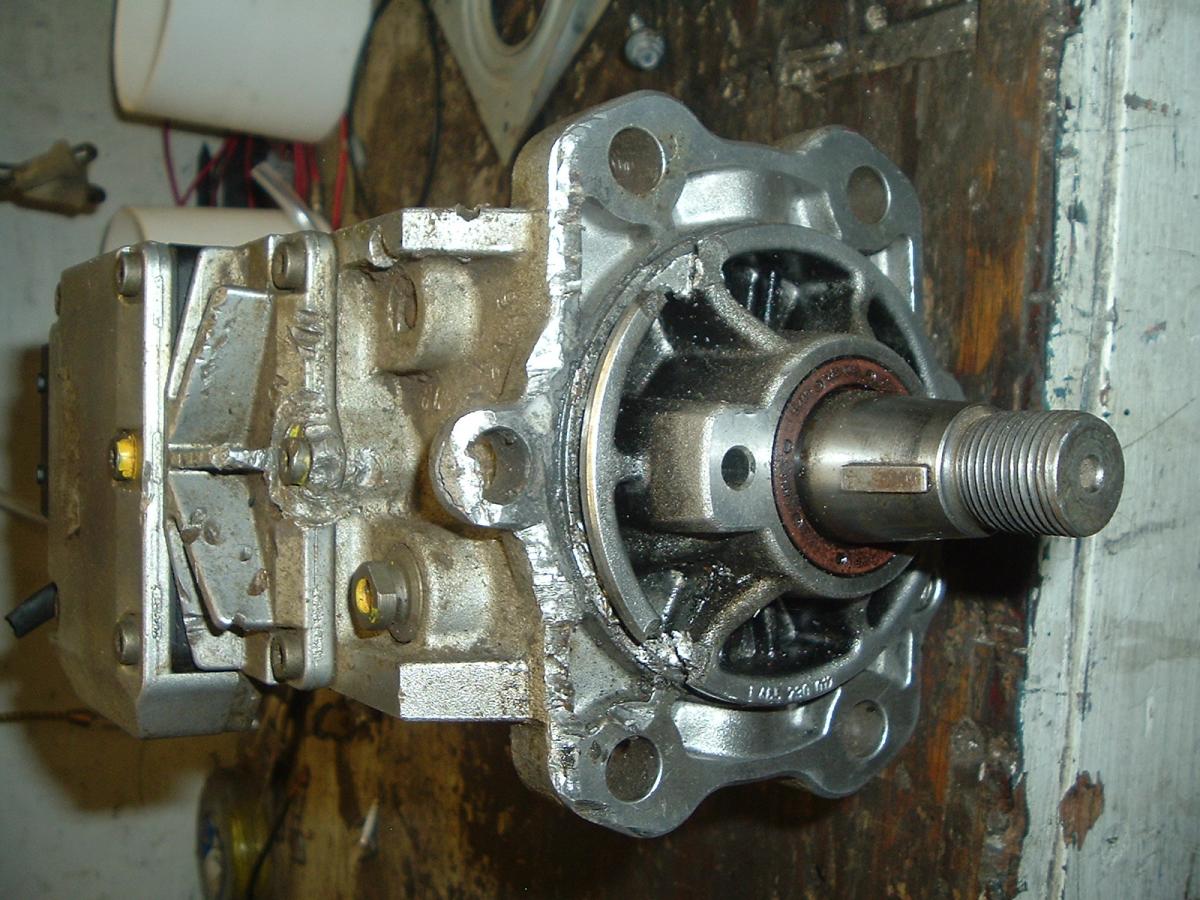
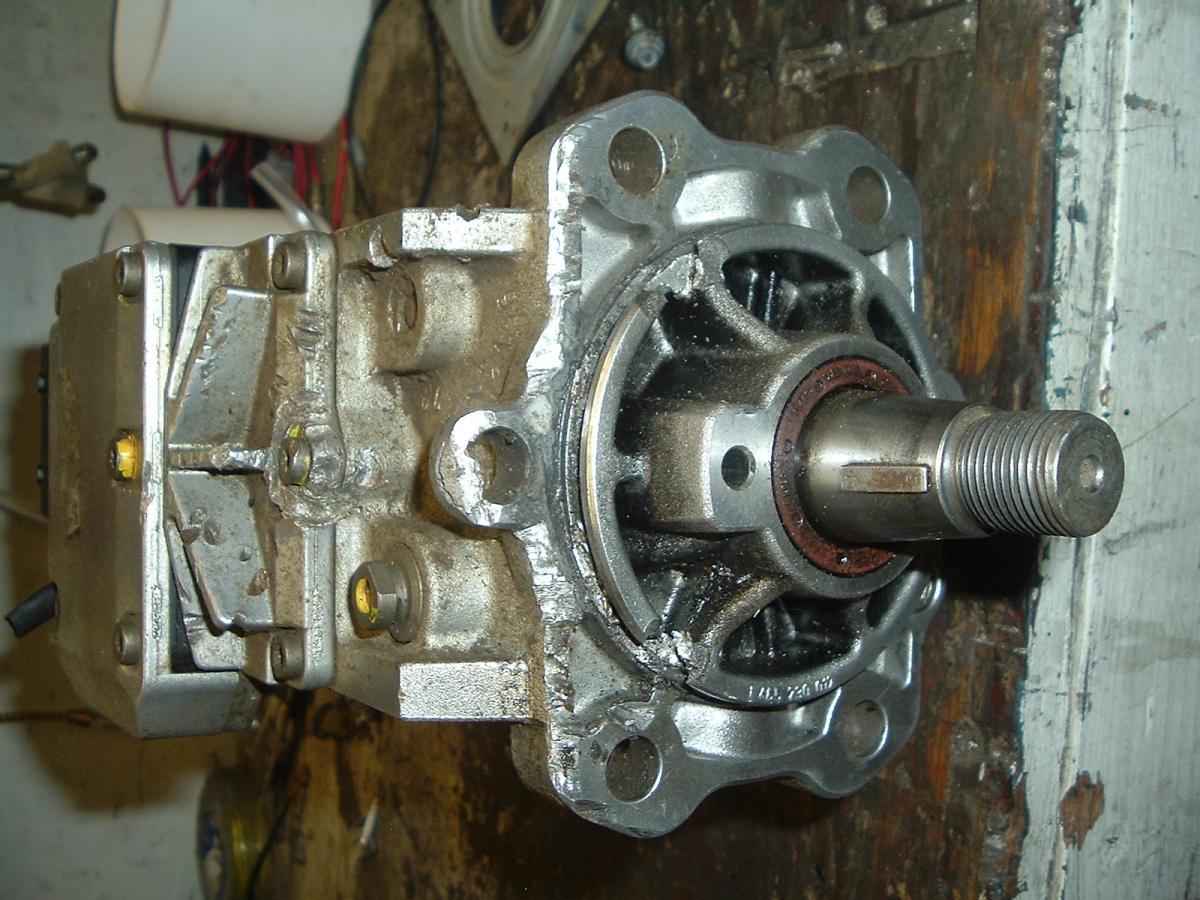 First off the only ground for the PCM, ECM and VP44 is the battery cable itself there is no body grounds for them. Second off check your alternator AC noise voltage. This is about 90% of the reason why ECM and VP44 die. Using a good DVM and testing at the back of the alternator you should see less than 0.1 Volts AC. Anything over 0.1 AC volts is a fail. As far as what I know all ECM will work but all of them must be programmed for your truck before use being there is roughly 50 different versions of software out there. So your going to be stuck with Dodge Dealer with a DRBIII tool. I've never heard of a Smarty being able to completely reflash a ECM. Dealer price isn't bad at all and with a warranty is even better yet.More pictures. Like I said I still going to keep this ring on my desk for all the pictures anyone wants of it. Inside plastic. Outside harden steel face. The damaged edge from prying it out. Looking through the hub.I would still clean any oil residue from the intercooler so if there is any dust it doesn't collect inside the intercooler. It just best to clean everything from the turbo all the way to the manifold.I wouldn't use a turkey baster... Reason why. I would rather remove all four calipers and allow the system to drain out of each open line. Pull apart all four calipers and clean them out and inspect everything. Seals, piston fit, etc. Then bleed the system out as you reload the system. But make sure to clean out the reservoir the best you can. If you have to pull the roll pin and remove the reservoir and rinse it with solvent and dry to keep more debris from running into the system. As for bleeding I prefer a full long stoke every time this way to keep the full length of the bore in use so the day comes when you need it you'll have it. But if you continue to short stoke it then you might wind up eating the seals off the master cylinder piston.The plastic is moulded to the metal and the plastic side is inward towards the bowl. There is two sealing o-rings one smaller on the shaft and then the larger o-ring on the lip of the plastic. The only thing holding the plate in place is one snap ring.So back to this picture... Now Jimmy help me figure this out... What the heck is this made of? What series of pumps was it used in? Because we have a picture of a part of pump (what series or model is unknown) but we have a picture of a rupture diaphragm out of a pump that is missing nearly 90* of the disc. The vane pump and timing piston look like its VP44 but that disc? What is it?What happen to the good old days of the pedal shaft was bolted into the frame work of the steering shaft. My 1972 dodge had 1 bolt holding the shaft in. Now E clips oh how fun...Actually I would love to see more articles like this. If you want I can build you account on the article database and save me the time of converting everything...Now listed in the article database I just got to get the photos watermarked and as full size pictures. http://articles.mopar1973man.com/general-cummins/35-exterior/444-led-under-hood-light-modGoing with Jimmy idea of flexing. The piece I've got here is harden steel. I took out a scratch awl on my Leathermen and attempted to scratch the disc and can't. Can't mar it even. Roughly measuring the thickness of the disc the plastic is roughly 0.040 inches and the steel is 0.100 inches. This very very hard steel. Seriously doubt the flexing would be possible. Then the other problem if it did flex or move then the o-rings might not seal as well being the one on the shaft relies on the snap ring to hold the disk down and the outer o-ring just the bit of plastic to hold it for the outside.Check this out! This is unbelievable...Please do. I would love to post that up in the article database.I would opt for the MG over the LE... http://www.alexisoil.com/sites/default/files/235101-chevron-delo-400-mg-15w-40-pds.pdfIt meets the grade HFRR wise at 128:1 ratio. Marginally at 200:1 ratio under bad conditions of supply fuel. But nothing officially from them. But at 520 HFRR standard for US fuel you can see why wear occurs.Great. I love when there is some factual information. Now if we can get it for the older series say 24V and 12V...Q: is it Bosch approved?Let's say the Secret Squirrel hosting is all done right here on M73M.com. So you never know if Ed might ask some one to Beta test this product. Might be a good time to update your signatures and truck information. All I can say is I tossed another idea at Ed for another product just a few days ago. Fairly simple product too.