
Mopar1973Man
Owner
-
Joined
-
Last visited
Everything posted by Mopar1973Man
-
Ahh... Waterhammer... You might consider a mechanical gauge. http://articles.mopar1973man.com/general-cummins/36-fuel-system/34-fuel-pressure-gauge-and-water-hammer-effects
-
Russ is right... Like I'm running a ScanGauge II and dead on... I'm capable of calibrating for tire size and fueling changes where the overhead computer is off once you change tires or fueling mods... http-~~-//www.youtube.com/watch?v=SRQdoPs_tLo
-
Here is Relentless70's Dyno Run...
-
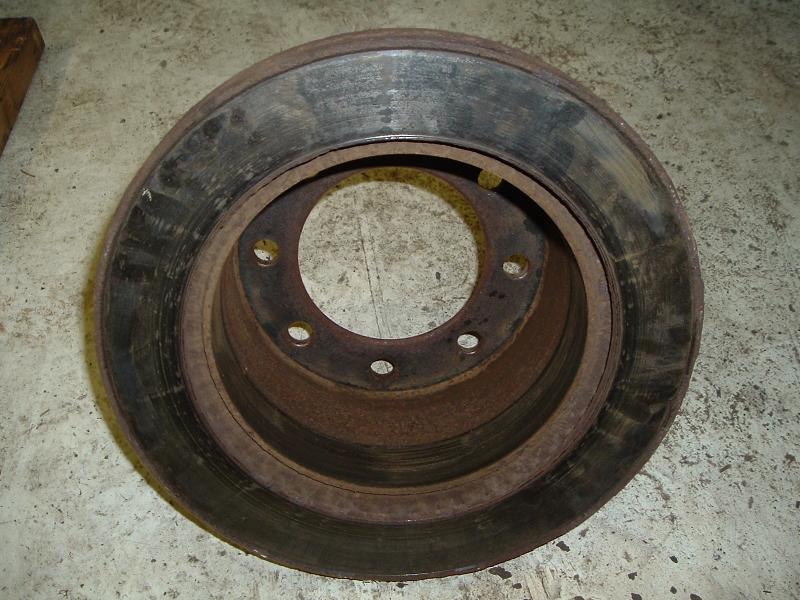
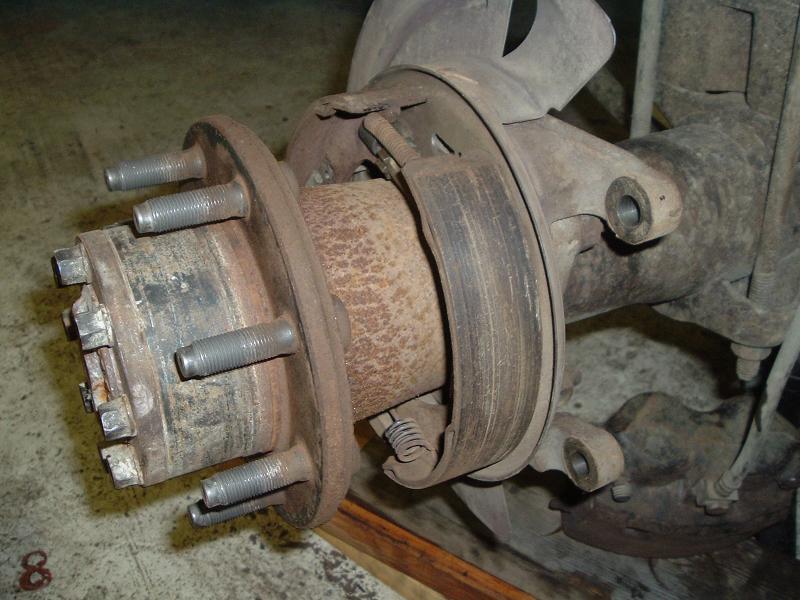
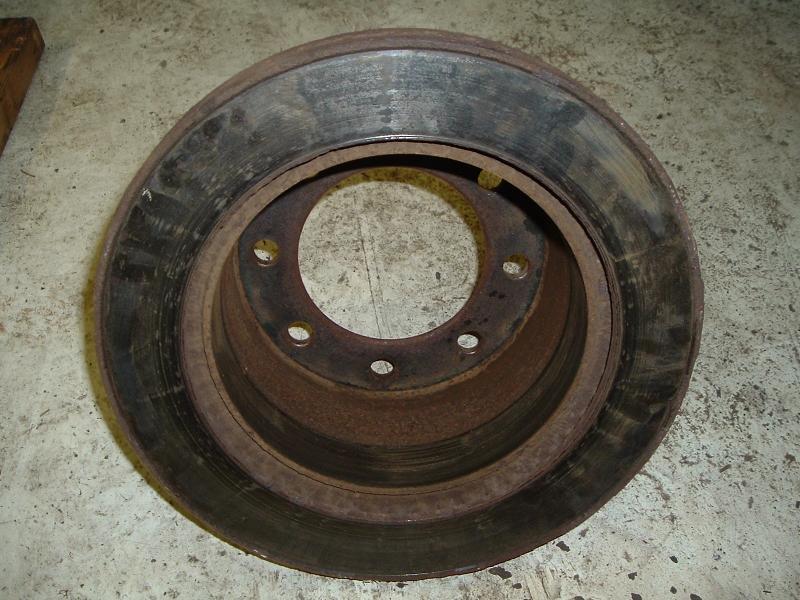
No... You need to look at the wheel studs for clips. There will be round clips holding the rotor in place. Now when you remove them you'll most likely distroy the clips. Then back off the E-brakes shoes by turning the starwheel towards the axle. Might have to rap on the rotor to free it but...
-
Mine I idle @ 19 PSI and WOT @ 17 PSI... 13 PSI is low...
-
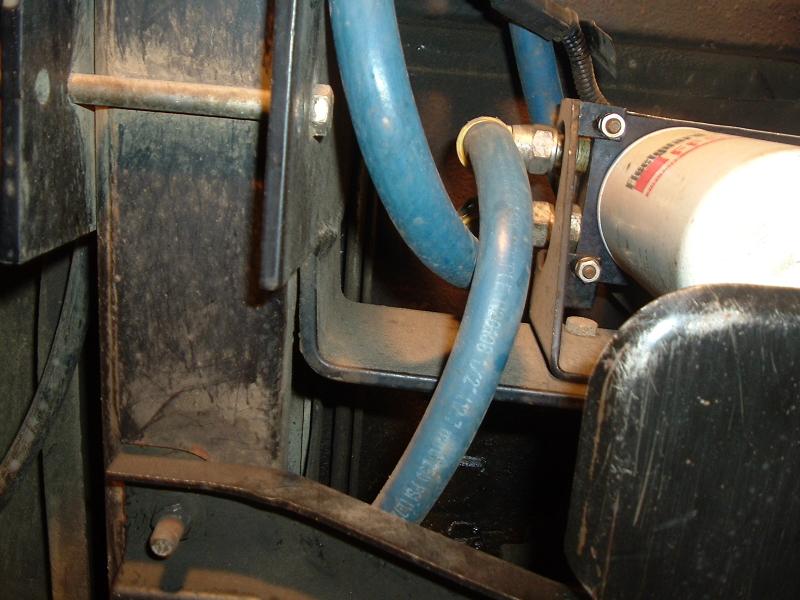
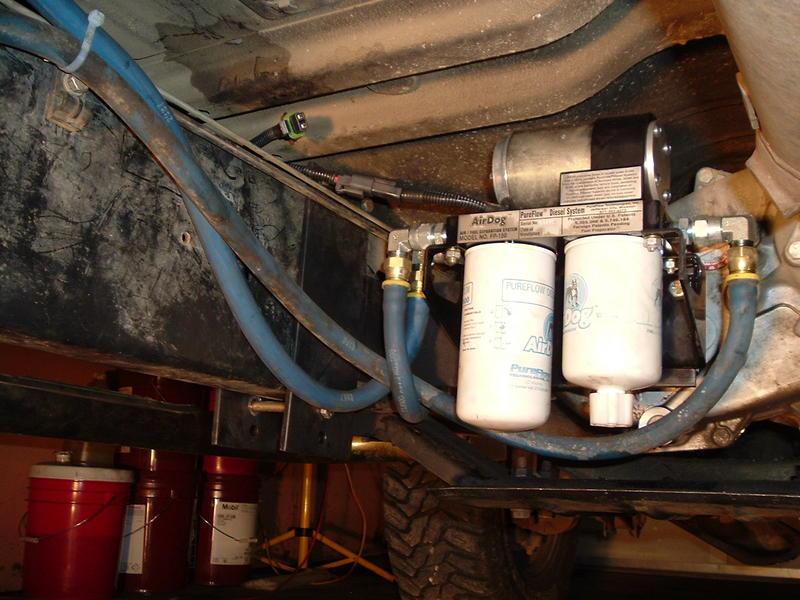
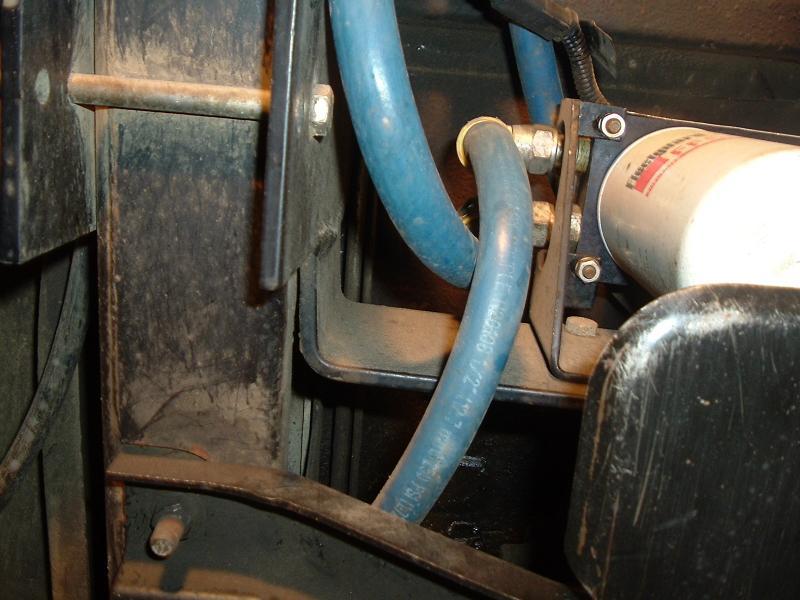
Build like Old School Pureflow Brackets...
-
Fuel pressure is dropping way too much and the idle pressure is way too high.Here is what I'm running... I've got no problem keeping it at 19 @ idle and 17 @ WOT. Maximum amount of fall you should see is about 5 PSI from idle to WOT. But that hard fall is pointing to a poor lift pump, restricted filter, or restricted plumbing.
-
I'm sure you have a CCD network issue. Causes...
-
:lmao:It's all good Russ! It's all good!
-
Now that I return home from the Dyno Event in Meridian, ID I can tackle the popping noise on the truck. (No. I didn't take my truck!) But just normal driving you don't feel it at all no problems. But as soon as I turn a hard corner or like back up to turn around you'll get the pop. It feels like it right next to the driver side kick panel. Geez Russ... I just feel the love with that one... Only if you'll test it out creeper ride first... Well when I pull it together today I'll take the truck now to the shop and jack it up and look a little deeper into it!
-
Hmmm... Diesel here is $4.609 right now... Gasoline is 3.859... Then Propane is $3.50 rouglhy a gallon...
-
Ok your going to need a fuel pressure gauge for sure... Watch the video and you'll see how to test fuel pressure. The center gauge is fuel pressure. In this video I was idling at 17.5 PSI and WOT at 15 PSI. Good numbers. http-~~-//www.youtube.com/watch?v=grl72Up-8T0 As for error codes many of them will not trip the light. Check engine light is not a good way to judge you condition. Most error codes are silent and don't trip the light. So grab a OBDII code reader and check it out...
-
I'd still put the holes in... Apparently there is a reason for it if some of them blew the shims...
-
Ok to humor you guys who would I go to get the bushings?
-
What your fuel pressure like idle and WOT (@ highway speed)?Any error codes?Basically you need to insure your fuel system is top notch...
-
I think you hit it right there with the springs...
-
It a bleed hole. Mine are the exact same design... The center hole vents out the side of the injector to the return rail. So basically you have trapped pressure on the upper side of the needle pressing it closed even harder than the spring hence its desire to stall. Kind of how the CR injector works.
-
I'll have to double check that. I didn't notice anything right off but I'll look into it.
-
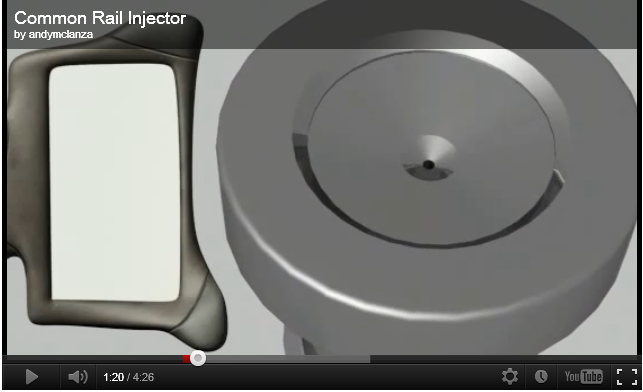
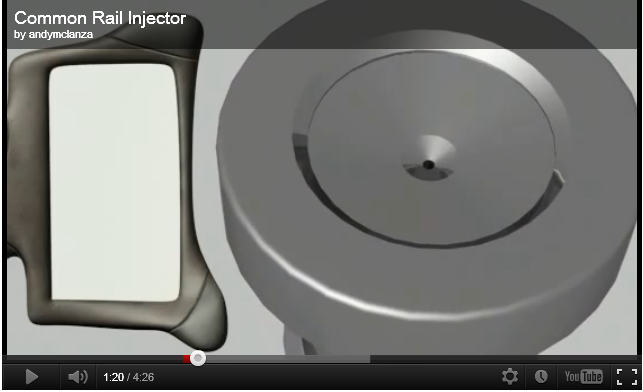
Good video to explain common rail injectors... At 2:23 you'll see how the valve action purges the upper pressure and causes the injector to fire. But when a injector is wore out from debris that seat that it seals to will be pitted and will leak causing the injector to fire constantly or to hang.So like the rest have said this is where the engine damage comes from. (Picture below NOT VIDEO).So as you ran with extended filter change you were most likely passing debriss through this seat and wore it out.
-
Ok gang... I've now got one I need to research and figure out. I've got a random front end popping noise that is hard to reproduce. Like I seem to be able to reproduce it the most getting in the driveway because of a few tight turns I've got to make and you can feel the pop in the floor on the drivers side. I jacked up the front end and looked everything over the best I could and didn't find any damaged parts. Last fall [*]Ball joints [*]Track bar Last summer [*]Wheel bearings Steering is tight and good condition but there is a good pop when it does it. Now the only thing I did find is the driver side fender is torn loose from the body in 2 places. So I'm wondering if the body flexing is causing the fender pop against the body metal?
-
Well join the crowd... We have creek forming behind the house in a ravine. Rivers are all up but we are still holding our own. http://water.weather.gov/ahps2/hydrograph.php?wfo=mso&gage=rigi1
-
So looking at the video at 45 Amps draw he's creating 6-8 liters. Now consider how much of that fuel energy has to go back to power the load of the alternator? Also consider how much air the truck is inhaling at 55-65 MPH? (5-8 PSI of boost)This is a simple fact of science you cannot get energy from nothing. So 99% of the time the alternator load is going to out weigh the production HHO gas and what it supplies back. I tired to find a old thread about this... But what it came down to is the load place on the engine was always greater than the energy produced by the HHO gas.
-
Check the sector adjustment on the steering box? Do you have worn steering parts? Suspension problems?
-
The problem... You going to use a high amount of amperage to create enough HHO to make it worth while but in the same token your adding more load on the engine creating said fuel so are you gaining anything? http://www.hhokitsdirect.com/big_hydrogen_generator.php http-~~-//youtu.be/82OOCmIW3MY
-
Welcome to the family... Does it have troubles starting cold? I wonder if you have a failing injector(s)? I know this didn't help it... That might of caused more harm than good. Todays fuel systems are expected to run on this low lubricity fuel and expected to keep all the injectors and pump lubed up and working properly. Adding injectors cleaners tend to make this worse not better. But I would check for error codes and simple stuff to see if there is something simple you can replace like a sensor or a part of the fuel system.