
Mopar1973Man
Owner
-
Joined
-
Last visited
Everything posted by Mopar1973Man
-
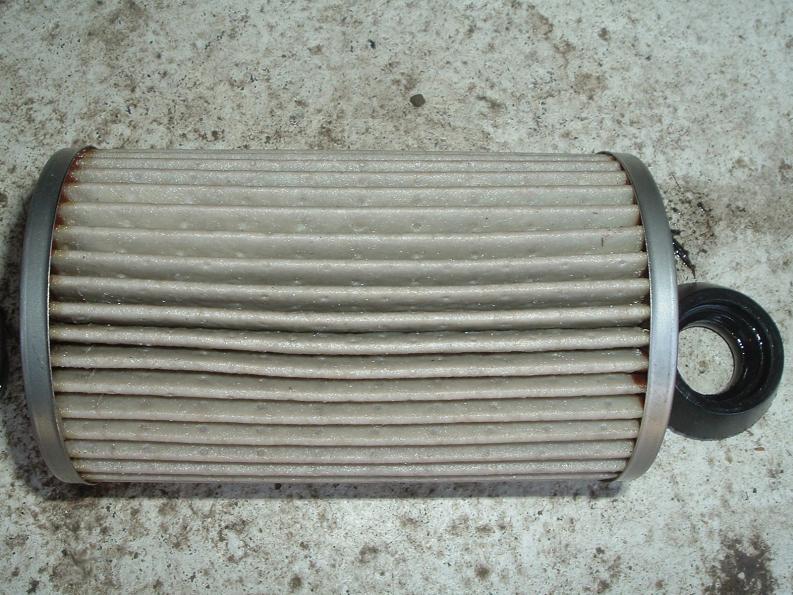
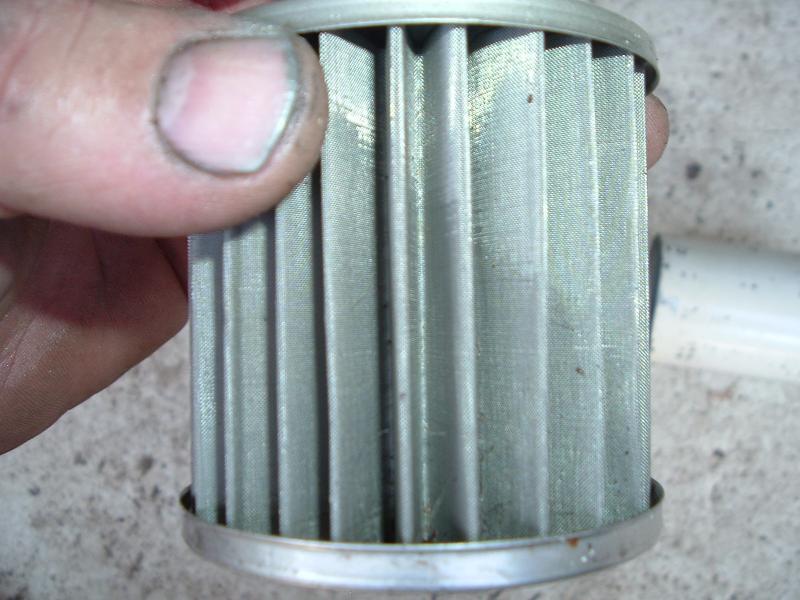
I never liked the little screen inserts. Doesn't take much before it plugs up from debris or gelled fuel and then you stuck. Rather have the spin on filter personally. Again Raptor pumps have no return port to the fuel tank so cavitation is a real problem with these pumps. Then the adjustable regulators are problem prone too. Not like the old school spring and check ball like the full AirDog or FASS pumps have.
-
Electric vacuum pumps. Kind of like the argument of electric fuel pumps vs mechanical fuel pumps. Yeah I can see this being a different answer but still in all yes electric motors have wear limitations. Electric vacuum pumps will still put the same kind of load on the engine being the load is on the alternator. I will admit the old mechanical vacuum pumps are way more simpler, easy to rebuild, and the seal kits are fairly cheap.
-
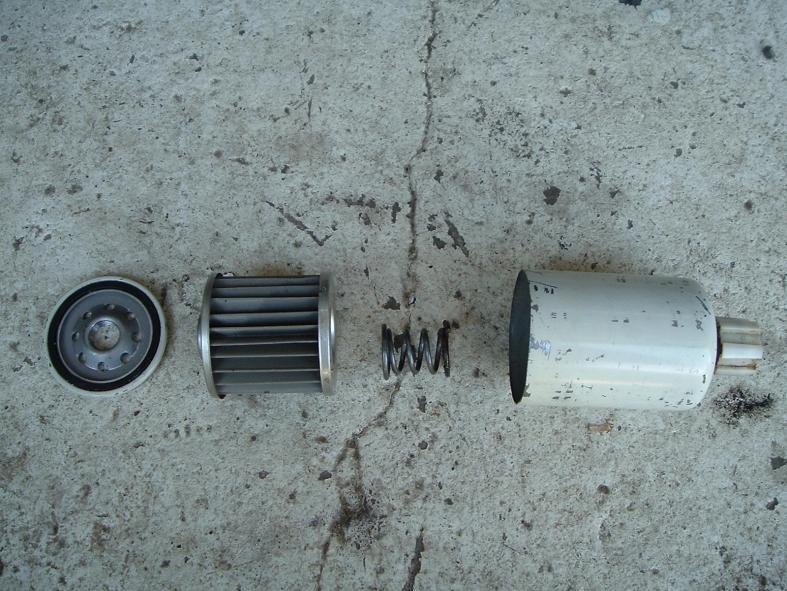
100um water separator / pre-filter AirDog 150. Take it a step further now. I'm also running 3um on the AirDog 150 and then 7um NAPA filter in the stock can.What I started doing years ago was cutting the cans off the AirDog filter and looking at color of the media. I found that with my drawsstraw in the main fuel body not in the sender basket I get cooler fuel. Now my filters last much much longer I change both stock and AirDog filters every 60k miles. That is 4 times longer than stock. The stock setup with drawing fuel from the sender basket is much much hotter fuel which now produces Asphaltenes this is where the fuel temp exceeds 150*F and now the black asphaltenes start showing up in the fuel filters. 15,000 miles on a Fleetguard Filter 3um. My filters stay much much cleaner longer and way less issue with injection pumps and injectors. My fuel temp typically below 130*F even in the summer.
-
How advanced is your timing?
-
As for the cavitation problem was brought forward back with the Carter lift pumps since they return from the output to the input. When you fire up the pump and zero flow but max pressure the non-returning pumps would create air bubbles in the solution. So the video I watched was with a Carter lift pump. and when the pump fired up and flowed max volume and then shut off the flow the suction side line would fill with air from the fuel returned back to the input side. This was one of the things that AirDog was in design because the AirDog and FASS would return to the tank. If the pump was dead headed and no flow of fuel it would not create cavitation. Simply because the pump would be flowing 100% on the return line.
-
Always suggest a pre-filter before the pump and never had a cavitation issues. Pumps without a return line are very common for cavitation especially when the pump is dead headed.
-
Down side to @JAG1 suggestion is that returning your fuel to the sender is heated by the cylinder head and VP44 and sent back the sender. If your drawing fuel from here your fuel temps will be much much higher. Say in the realm of 150 to 160*F. Now if you ditch that whole idea and use a standard draw straw in the main fuel tank not out of the sender you find the fuel temps are much lower. Like my truck my AirDog was installed back in 2006. I've kept cooler fuel temps than about 90% of thye people here being I'm not drawing from the sender cup. Yeah I might have Empty tank and 1/8 tank slosh but still clearing over 200k on my last VP44. Being that I've only heard of one person posting up a thread about P0168 code which is high fuel temperature. But we all agree that heat is not a good thing for PSG unit on the VP44. Now I can tell you if you setup like myself your fuel temp will follow the IAT temp exactly. This is due to part I've still got my stock fuel filter housing and there is a coolant passage in the head near the fuel filter so since IAT is right near this coolant passage too the fuel and IAT tend to be very close all the time. Like this winter I'm lucky to see between +20*F to 60*F for fuel temps. Summer time I've have to be towing up a 7% grade with my RV in the Arizona heat to get past 140*F in fuel temps typically.
-
There will be zero gains in braided steel lines vs. rubber lines. The fact is pressure will be the same regardless of lines. You might want to cut open a rubber line and look at how it's made.
-
Sprout? Bush? Better be full grown money tree. Man that head is rather speedy. Wow!
-
Enuf Said...
-
Yeah I'll admit I'm in the learning curve of 3rd Gen trucks. As for working on them I've had some practice on replacing injectors. Done 2014 4th Gen, 2004 3rd Gen, etc. In most cases the truck would not start or if it did MPG is low and performance is a bit off at least to me. Just like tonight I heard a Ford 7.3L pull into a fuel station and notice the off beat lope. I ask the owner he had 200k plus. I told him he might consider replacing all 8 injectors. Yup I've done 2 sets of 7.3L Ford Injectors in this last year.
-
No. Again if the injectors are not changed in the 100k to 150k you take a risk of cylinder wash. More the injectors wear out you can litterially drive the truck till it no longer runs because the rail pressure is bleeding out through multiple injectors. I've seen at least 6 vehicles unable to start because of wasted injectors most times the cylinders are washed out as well with high blow by. So my advise is if the previous owner hasn't done injectors (all six) then you can bet it will be due when you buy the truck. That's another thing I fight with people just replacing the worn injectors maybe 1 or 2 to save money but the other 4 are ready to fail. Then wonder why it always having issues.
-
Simply put... when demand volume is LESS than supply volume you will have stable pressure. Now when the demand volume is GREATER than supply volume then pressure will fall. Higher volume pumps with 1/2 inch plumbing will have better pressure stability. You have to remember that there is return flow in the VP44 as well which most forget in the pump volume. I can tell you that 20 MPG is roughly 2.5 GPH flow rate roughly speaking. That is what is burned at a cruise state. This mean majority is used for cooling and lubing the VP44.
-
No matter what if there is 100k to 150k miles on the injectors they should be replaced. Fuel filtration is the second part most of these trucks are still in stock form like mine so like a good AirDog 150 with 3um filters would be a good addition. Check for blow by unscrew the oil cap and see if it sits in the hole without blowing out. I hate to say it but CR engines just don't live as long as the older 24V 2nd Gens. Reason being is too many people continue to run bad injectors which wash out the rings and cylinder walls. Since it is Common Rail that means that if any injector isn't closing completely you will be spray fuel 100% of the time in the cylinder. There is no real change in exhaust smoke but you may notice a reduction in MPG's and possibly a gain in engine oil. Kind of like Thor with stock injectors managed to gain oil in 15 mile trip to town and back. Hence the change of injectors instantly. So if you keep good filters in the fuel system and change injectors before they are wore out you'll be able to have a long life out of tha truck.
-
I'll say I'm not doing too bad on the 3rd Gen 2006 Dodge 3500 SRW I've got. It's not a power house by any means but it does haul the tools to the job on a daily basis. The only upgrade I've done on Thor is +50 HP DAP injectors. Eventually I need to do a tuner that would help a bunch being the timing on stock engine is pretty retarded. Been able to hit about 18 MPG the way it is.
-
Sounds like your going to be pulling the head off for valve work. Might as well port and polish the head and add studs. Might want something good for a head gasket too. As I'm not much of a Cummins OEM fan.
-
Grab a test light then run all the fuses under the cover of the TIPM. Like myself a pervious owner blew a fuse pulled out and never replaced it. On you empty ports might want to verify if it got contacts and make sure it's filled with proper amp rating.
-
With a bit of effort I'm betting I can surpass Beast for MPGs. Being ive done nothing but changing oil so far. Need to check the air filter, spark plugs, new plug wires. Might even good to do a compression test. Still in all I've upgraded from Lil Red which barely got 14 MPG. Now ive got a gasser with at least 23 MPG without doing anything.
-
Talk to Carolyn Friend in Riggins 208-628-3441 I got you covered...
-
Nope. Actually it seems to be a good beater. Spend a food amount of time today cleaning it up. Gotta start looking into doing some wrench work on it. Monday source out a oil pressure switch. Maybe few screws for interior panels that are loose. Maybe a few valve cover gaskets. I know it needs a few used tires on the front.
-
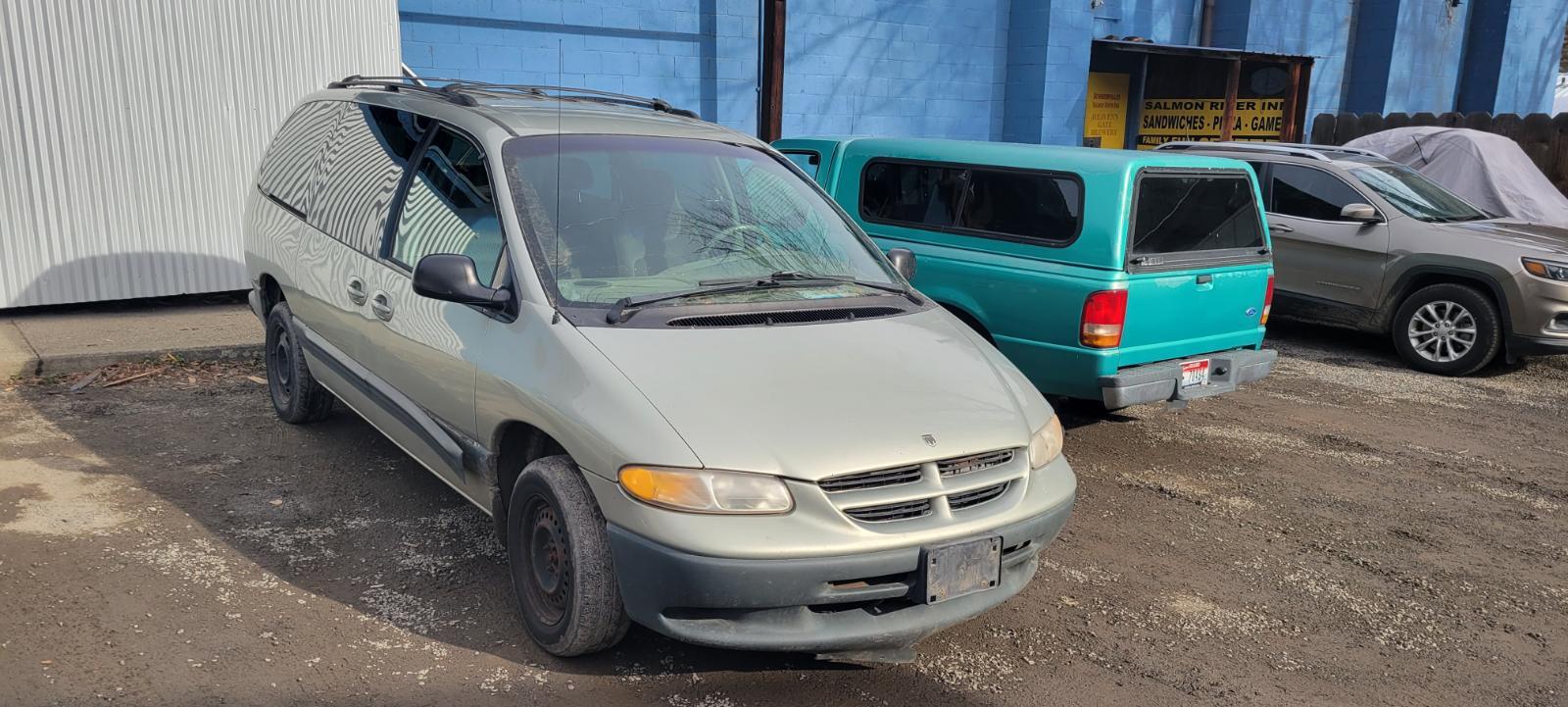
I'm now the owner of a 1999 Dodge Grand Caravan 3.3L. It's got about 173k miles. The best part is it was given to me for free. Yup. It's not pretty but it runs. Since it sat all winter buried the doors or windshield leaked and got the carpet wet. The moisture in the cabin is creating weird gremlins. But it seems to have a bad oil pressure switch or the bearings are bit wore out. But runs good.
-
Interesting...
-
Still end up doing seal kits off and on to keep the oil leak at bay. If your going electric vacuum pump you should consider the full delete.
-
Fuel pressure helps with cooling keeping the overflow valve open. But if a owner is dumping in excessive amounts of cetane booster and injector cleaners then the fuel will be most likely lower in lubricity being most all products out there failed the lubricity test. Hence why I don't use any additives no anti-gel, cetane booster, or injector cleaners. The only ones that score good for lubricity is 2 cycle oil, Opti-Lube or 2% bio-diesel. Beyond that all others more or less failed or too little of gain ot be worth it price wise. Yes I see plenty of people adding more ot the fuel every time they hit the pumps in the winter time. Do your study of the fuels you use and find out. Like I did this years ago and found out my local fuel is like 48 to 50 Cetane. Don't need cetane additive. As for pour point its down to -20*F, well I don't need a anti-gel product, injector cleaners won't work anyways which I've proved years ago. So there is no reason to add any products for me. Even though this winter we seen minus weather here already. But my fuel temp never was below +20*F so I'm not worried one bit.
-
Fuel pressure sensor on the Quadzilla is fried most likely. You might review my electric gauge article... You should never just have the sensor screwed directly into the fuel line. You need some distance from the snubber to the sensor to allow for fade of pulse.