
Mopar1973Man
Owner
-
Joined
-
Last visited
Everything posted by Mopar1973Man
-
Dang... :banghead: I was trying to get his goat going... And it didn't work... Well at least your paying attention to details...
-
Last touch of fuel I got in New Meadows, ID is hold steady at $3.659
-
Won't make a difference... With those toyz underlined your display would be a long ways off showing you like 35 MPG... The best thing to use if you want one is a ScanGauge II or simular... Because you can calibrate it to your fueling toyz and the huge oversize tire and get true numbers... www.scangauge.com
-
Exactly... My exhaust brake replaces the exhaust eblow going to the down pipe. As for comparing you got the exact turbo my buddy Taz has on his 1992 Dodge Cummins (HX35) with the short grooved flange and after comparing the exhuast housing they should swap out... Unbolt one and swap to the other...
-
Like I said on the chat the other night... That a awesome write up of the crank seal and gear cover... Well done! Oh yeah... Did you check your KDP?
-
Hua??? Heck I got to leave my jacket in the back seat or I'll fry to death in the front... I've seen cab temps of 100*F before... (Not Vent!) on a 20*F day...
-
Hmmm... even with my old batteries (factory 9 years old) I rarely see below 11.0 volts with just turning on the key... Even with the engine running I never get below 12.0... Yeah mine dim but not that bad...
-
Funny how this thread is growing... Now is there someone that can catch me?
-
I'm cheering you on... Keep going!
-
Got Zach beat...
-
-
... If it is the oil pressure... I got to ask what oil filter do you have on the engine?
-
The only time that cleaning might effect the performance is if you own a Exhaust brake... Then the sensor will be caked in oil residue... Stock trucks don't require cleaning... Also only 1% of people find that cleaning fixes this problem...
-
Now learn to drive on 5x5...
-
Really simple... Pull the five bolts and replace this flange with... http://forum.mopar1973man.com/attachment.php?attachmentid=2223 This one... http://forum.mopar1973man.com/attachment.php?attachmentid=2224
-
Pay attention to the gauges... I'm going to bet its a oil pressure issues... Excessive time to build oil pressure...
-
Its going to be a 3 pin plug down by the ECM and the driver side engine mount. It will have a weather cap over the end of the plug typically...
-
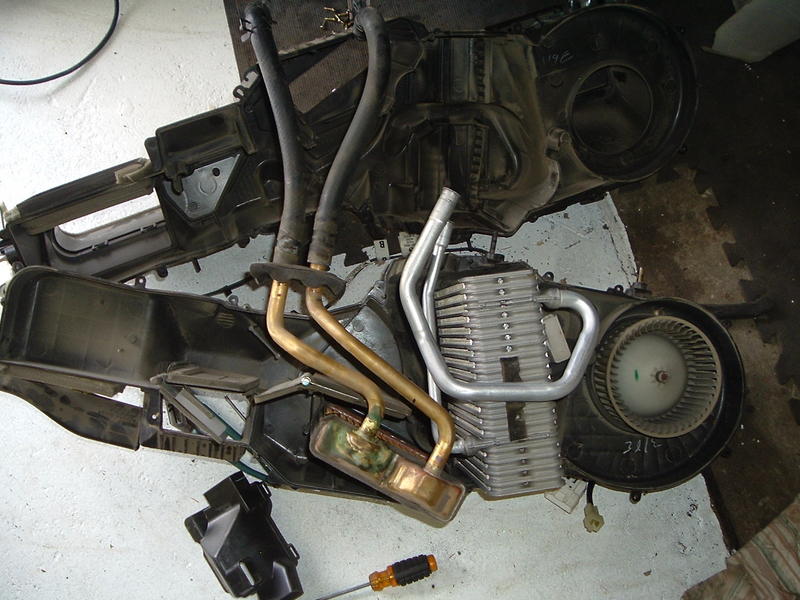
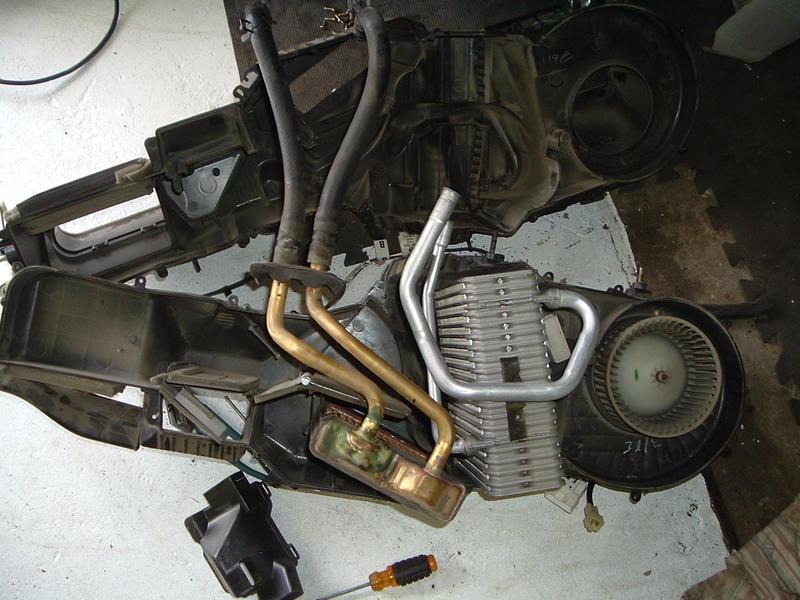
The one just up from the heater core... That is the blend door...
-
By looking at the pic it loks like you could swap the pipe flange from a clamp style to the flared style by swapping with your old turbo. so then your down pipe would hook up...
-
Grid heater draw 195 Amps the alternator produces 120 Amps... So yes the voltage will fall some while cold starting... But typically doesn't drop below 12 volts... As for the grid heater they typically come on for the length of the Then once the light goes out and you start the truck then the grid heater cycle on and off as the engine is idling to mantain good manifold temp. Now once your rolling 20-25 MPH the grid heater are cancelled completely. If you disconnecting your batteries make sure to do the APPS Reset and re-calibrate it for the ECM.
-
I wish there was a pic of the exhaust housing...
-
AirDog, Raptor, and FASS (not FASS DDRP) are designed for diesel application and with withstand just about anything. As for the AirTex... There is several that swear by them but once again the manufacture were to stand behind it then they would have a long term warrnty like the big 3... As for getting the most out of a AirTex is to relocate the pump near the tank and get a big line kit... By the time you do all this you price will be close to that of a Raptor or a FASS 95...
-
20*F might show a bit of hazy blue smoke... Even mine does it on cold morning when unplugged and left out in the cold. It might stumble a few beats but typically straightens out... But you'll notice a very light blue haze of smoke. But like I said before if the smoke is heavy and looks like ISX video then there is a pump issue...
-
It not much really... Look closely the blend door is in the full cold position now. The long flap would rotate up and to the left to divert the air through the heater core. So the shaft moves about 45* angle at the most.
-
On the 98.5 to 2002 the A/C is used in the MAX A/C, A/C, Bi-level, Floor/DEF and DEF modes... All other positions shouldn't use A/C...