
Mopar1973Man
Owner
-
Joined
-
Last visited
Everything posted by Mopar1973Man
-
I was extending out to 100k which was too long the coolant was turning acidic. Now it starts to weaken the gaskets and any seals that are in contact with the coolant.
-
If your close to me I can change injectors in about an hour or so. More than willing too.
-
Because the nozzle most likely is smaller so they decrease the the pop pressure to increase flow and injection happens early. So to make it flow like X sized injectors they decrease it to get more lift. Like my old 7 x 0.0085 (+75 HP) I had DAP make them and they where popped at 305 bar with SAC tips. Stalling was very common. Come to a traffic light or stop sign it would drop and stall. I had the injectors sent back changed for VCO tips same size and increased to 310 bar. Stalling stopped. My current 7 x 0.010 (+150 HP) I had my stock bodies inspected and then installed the nozzles and popped them back to 320 bar. Still running these injectors. No issues at all. With the bar set for 320 bar I need to add more timing being they do fire a bit late.
-
Another issue fixed.. bad crank sensor. Finalized the install of the sensor its held in with a Allen screw. It's kind of hard to spot with crap ton of dirt and grease. Verified the tach signal against a live data tool its about -100 behind the tach on the dash but not bad. Reset the two codes for crank sensor performance and Crank Sensor A circuit issue. Sorry I didn't keep the error codes...

-
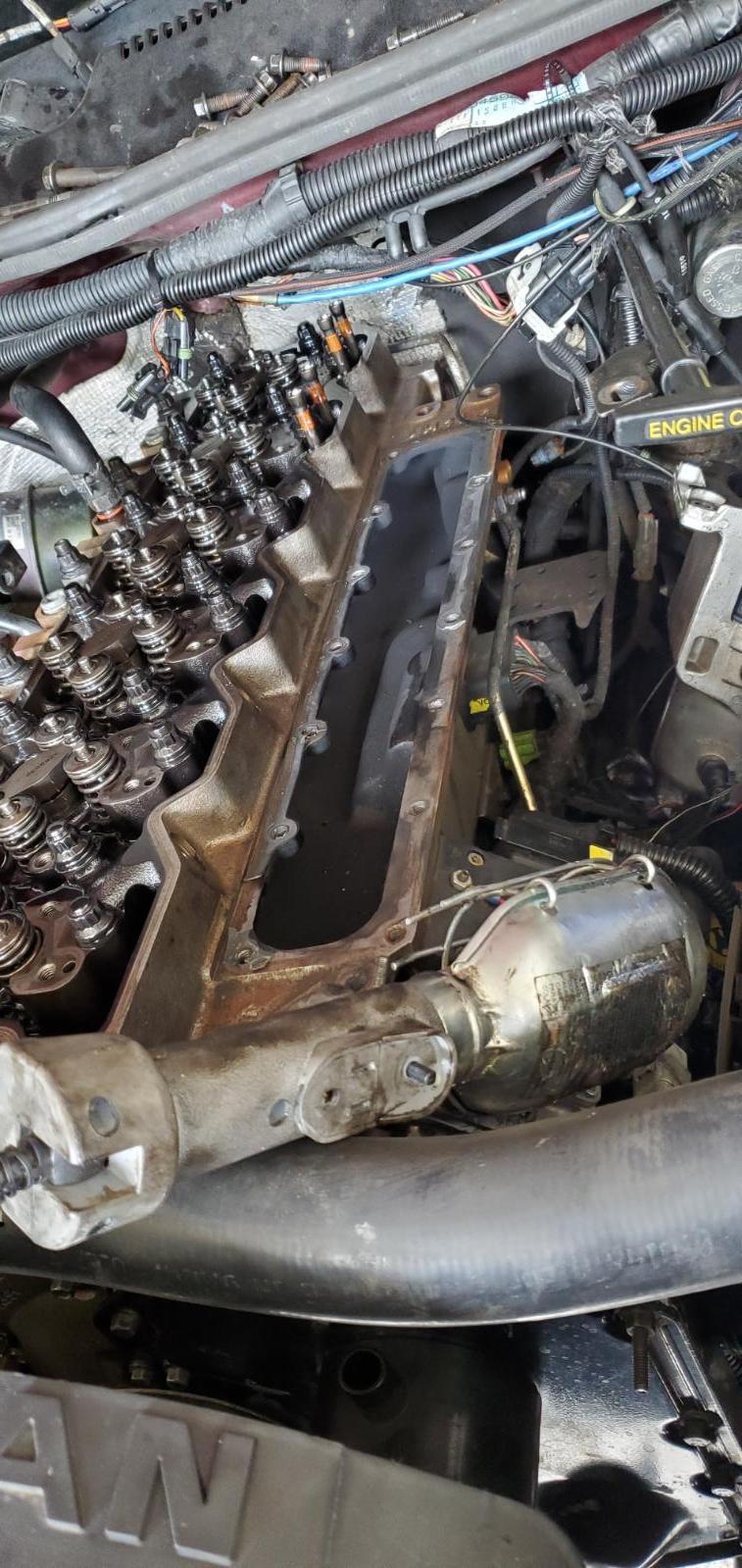
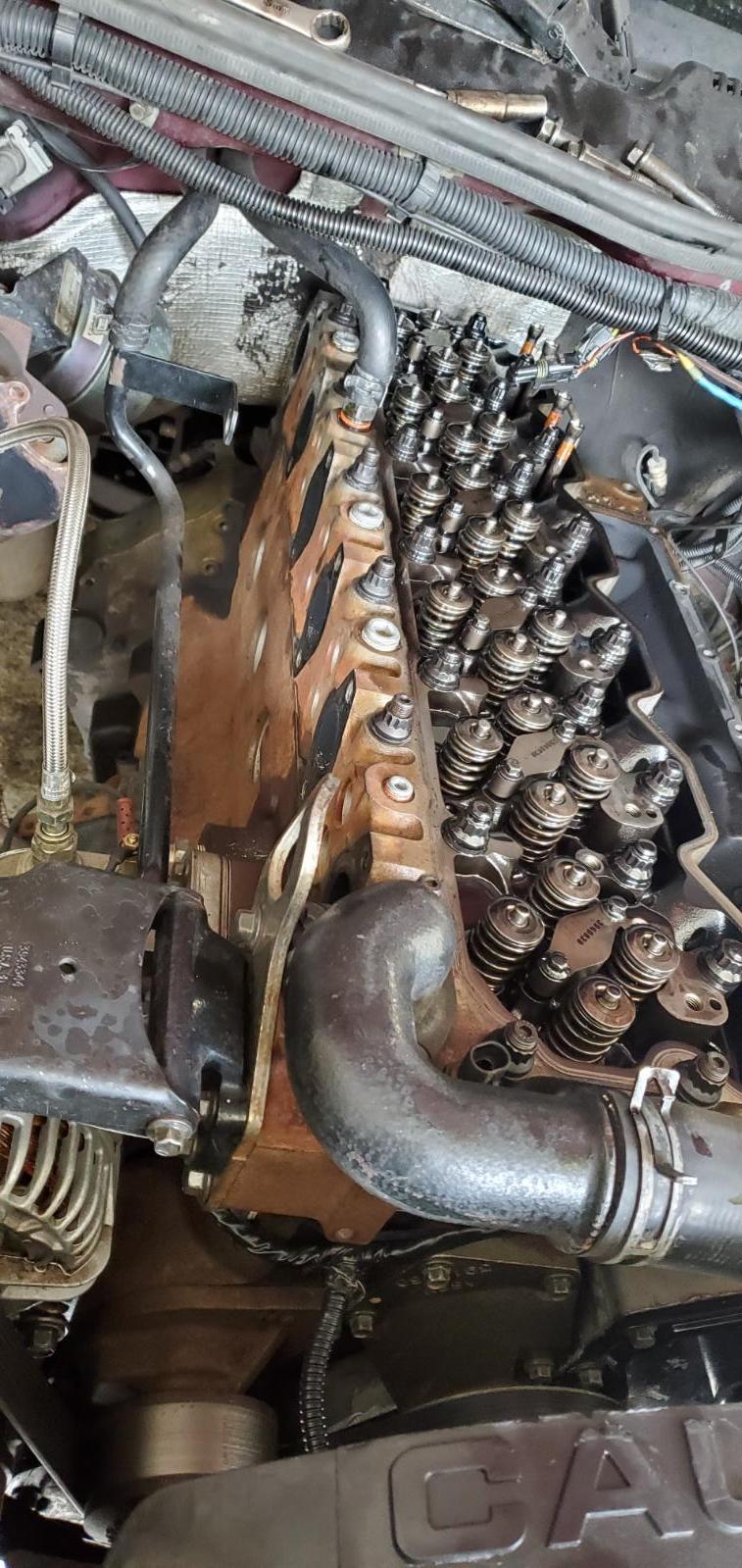
I'll back to finish the head after I do a job today.
-
My 2002 Dodge is next in line for a new dash. I've been fighting to keep the cracks under control so when I spot one start I grab the super glue on a warm day work the super into the crack a little bit and then leave it along. In about an hour the glue is set up and good to go but its sprouting more and more cracks and eventually I won't be able to catch up.
-
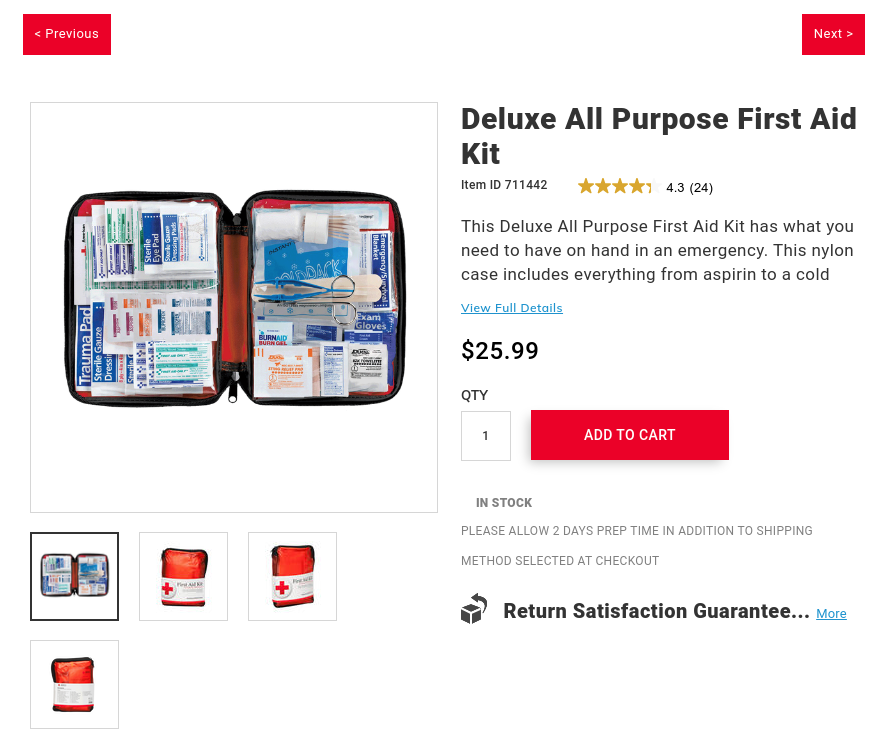
Awesome idea too. https://discover.garmin.com/en-US/inreach/personal/ Most of the areas I run to the time for help to come can be awhile. Another one to add to the "Bug Out Bag" is good first aid kit. I've got a small basic first aid kit under the back seat but I'm going to upgrade to a mid line first aid at least I could control bleeding and give someone else a chance at survival. Some times your travels might put you in path of someones accident and you could help out. In the back country just a few days ago a old timer slide off the edge of the road if there was any injuries I could helped out. It could be yourself that slide off the highway in the snow you might be stuck but now you could contend with any injuries and still have food and water till you get to help again.
-
When I was making that Tuesday, Thursday and Saturday runs for @MoparMom dialysis treatment. I thought the same thing in the beginning, after about a year I ditched almost 200 pounds of junk from the back seat and the bed of the truck I'm no longer carrying. Then after my first failure in Ontario, OR when my lift pump failed. I needed to be towed home the biggest thing that was not handled was basic survival. No water to drink, no food, nothing to keep us warm without the engine running. My biggest thing is pack my day pack and having 1 MRE, and half gallon of water, warm cloths, gloves and possibly a tarp for shelter if needed. Now it is more about IF failure occurs now I've got basic survival for at least two people. I've got the day pack so I could walk away from the vehicle and go for help. Reconsider your personal needs before the trucks needs. Like "IF" I broke down in Mohave Valley AZ when its 110 to 120*F I've covered as well I can still hike to help. Winter times up here I could easily coat up and walk to help as well. Either way all my failures on my 2002 Dodge there was absolutely 0.00% of the failures repaired in the field after 430k miles of travel.
-
The noise has been found its the driver side upper control arm the bushing at the cab is worn out and the arm has some movement. Tuesday I've gotta head for Boise hopefully with my head off the 2002 and pick up a control arm bushing.
-
Yup... That shows the that the RV275s are closer to the mark of flow and balance. With performance injectors most of them built them and set them lower at 300 to 305 bar. I've had posted once before that when another member had a set of 100 HP injectors and the stalling issues. When the injectors where pulled at 28k miles and tested the pop pressure was 280 bar. This is about 13 bar below minimum allowed. Once the injectors where re-popped and flow matched again but the member here had them popped at 325 bar and the entire issues was gone.
-
Actually its a bad crank sensor. Finally tossed a code couple days ago and refused to start. Thankfully I've got my new sensor sitting in the front seat.
-
Strange but true I've doing similar here. Mom used to use the dishwasher as a dish drying rack. The motor finally burned up last Nov. 2020. Ordered a new dishwasher and took 3 months to get it. Now I've got the new dishwasher installed. Now we are talking about new stove and oven and change the kitchen layout a bit and move things around and ditch a island stove and move it back to the wall. I got to admit you got a nice look cabin, and your wife is a happy camper.
-
I've got a friend just up the road with a CoE style Nissan ND. The box on the frame is gone but I went over and got the engine reprimed and it runs. Current owner is going to do a few repairs and get it ready for sale. It would be a wonderful flatbed firewood hauler. Possible to haul about 4 to 5 cords depending deck size and side board height. Similar design but in well poor shape of sitting in a yard for many years.
-
Yup your going to be doing what I'm doing already is pull the head off and having the head resurfaced and reinstalled with a new head gasket. Make sure to flush the entire coolant system afterwards and use fresh coolant. My first gasket was from lack of coolant flushes in that year and head curl. This time I'm pretty sure it was just pushed too far.
-
Yup I tried to run it also on Libre Office Calc and no dice. (Ubuntu Linux 20.04 and Libre Office Calc 6.4.6.2) Must be Licensed copy of Microsoft Excel.
-
I'm not that foolish to leave a belt in service that long. Typically they get changed out about 50k miles. Again in all the vehicles I've owned I've never broke a belt. Like your suggesting I've carried a belt for awhile in under the back seat just in case. Finally getting tired of moving it out of my way all the time. Even in the shop I've got 2 old belts on the shelf and never used any old belt because a belt broke. Now like a lots of vehicles I've worked on typically the belt breaks because there is another issue. Pulley bearing, accessory pulley bearing failed, etc. During my inspections I'll pull the belt and check all bearings in all pulleys. Like the last job I went on was a 1996 Ford F-250 7.3L diesel the vacuum pump bearing gave up and cause the belt to be shredded from misalignment of that failed bearing. Again this is not a belt failure but a bearing failure which is more common than just out of the blue belt breaking. with these truck and the spring loaded tensioner its not like the past where belts broke from over tightening or overly loose (burn the belt). There is just somethings you can never plan on. Like @JAG1 travelling with @IBMobile and travelling a long grade without a exhaust brake and get the brakes hot and then end up later cooking the grease out of the front unit bearings. This is not a bearing failure but look at the cause. Lots of weight on the truck, no exhaust brake, and auto transmission. In this case the long downhill without a exhaust brake was the recipe for heating the brakes up and cooking the bearing grease out. Just like @IBMobile came out here and spent a week at my place. Left my place headed north and made it on the other side of Riggins, ID and the VP44 died. IBMobile already had a belt driven lift pump. Does that mean we all gotta carry a VP44 in the back seat? No. Again it just one of things you can exactly plan for or test to see the condition of the pump. If you got error codes or performance issue I would suggest planning a trip till all codes and performance issues are resolved. Kind of like the 2006 here. I didn't want it driven with injectors that are filling the crankcase with fuel. Then a long list of error codes. Now the only code is a crank sensor code. Yup got the sensor in the front seat. Another one is I typically use a degreaser and power wash the engine and transmission down so you can see if there is any fluids leaking from anywhere. Again another example is my 2002 Dodge with the head gasket. I cleaned it up and took out for a run and verified the oil was for sure coming from the front drivers side corner.
-
Got busy on this and just about got the head pulled off last night. I did a bit of testing before pulling apart. I retorqued the head and made a few runs after power washing the front. It for sure the driver side front of the head is leaking oil out. Being its still push oil out just pull it down completely. I just about the head off last night but I have all my bolts on the cowl then realized I've got to pull the cowl cover off and push out the last 4 push rods. Then start with pulling studs. Everything else is already pulled of.
-
Hey gang... The 2006 Dodge I've got has a stock stereo and the input jack is broken. I'd love to hear what some of you are using for stereos in the 3rd gen body being a double DIN is typically used. I'm looking for a quality Bluetooth unit that can handle at least two mobile devices at once. Like the Kenwood in my 2002 allows @Wet Vetteand myself to go somewhere if either phone rings its hooked and goes through the stereo. DVD video is not a requirement. Backup camera if available I would take it.
-
Remember gauge functions are based on CCD network. If the CCD network is having issues then gauges will act weird as well. I would contact the rebuilder and have them revisit the PCM being its the source of the CCD network.
-
Yup the 2006 Dodge has got a good front end clunk. When turning tight in parking lots and sharp corners. I want to pick you guys minds to get heads up on 3rd gen front end suspension and common issues. I'll admit the truck has a 2 inch leveling kit. Really like to pull that out as well being it squats pretty bad with a trailer hitched up.
-
After driving over 430k miles... You understand that majority of what you guys are packing is unneeded. If you done your maintenance like change the belt before you leave there is no need for a old belt under the back seat. Coast to Coast is roughly 2,500 to 3,500 miles. Around the globe is somewhere at 24,901 miles. Then to the moon 238,900 miles roughly, then round trip 477,800 miles. I'm almost home. I don't pack a ton of tools and parts. I pack a bug out bag so I can abandon the vehicle and walk to safety or help. All the tools and parts are just space and weight you gotta haul. Even when I went to Arizona I did a mod down there to help trans temps in 120+ temps. In all the miles I've traveled... Majority of the failures I couldn't repair in the field. NEVER had a explosive tire failure. Yes I've had flats from nails and other small debris. NEVER had a fan belt break. NEVER had an overheat condition. 1 Lift pump failure. 250k miles on the AirDog. Broke the main shaft of the transmission no road side repair could be done. Broke the smaller 5th gear and ate both gears. No road side repair possible. Still drove it home. Alternator shorted out and wiped out the PCM. No roadside repair possible.
-
BHAF is way better than most filter and given a bad name... But they do flow more than enough for our trucks.
-
Thanks I'll give that a look and check other things like bearings (wiggle test).
-
Being I normally deal with mostly 4WD trucks out here. @Jthor truck has the driver side tire wearing on the outside shoulder only. I've been thinking about it and want to verify my thoughts with others here. The outside shoulder of the tire is wearing this is what I think... Excessive camber on that side Wheel bearings are loose and need repacking. I'm hoping others could chime in with their knowledge to verify this.
-
Anyone willing to share what they have installed for stereos in there 3rd Gen trucks? The factory stereo the CD player isn't working and there isn't any FM stations out here. It's time to replace... So what are you guys running for stereos in your 3rd Gens?