
Mopar1973Man
Owner
-
Joined
-
Last visited
Everything posted by Mopar1973Man
-
I'm sure @Me78569 would know. I remember something being said about Samsung device having problems.
-
Coolant is a strange animal can't base it strictly on mileage or time. It has to be both. Some people barely drive 3k a year. That would mean changing coolant every 33 years. Personally try not to run right up to the full limit of any coolant typical is risky. I rather be slightly early on flush and fill than late on coolant.
-
Cheap stone. Redneck class here.
-
I'll have to measure the ohms on the sensor.
-
Just go over to the classified ads and sell the darn thing...
-
Need to know the error codes. Also got to ask does the WAIT TO START light come on instantly with the key? Then have you done an AC noise test on the alternator? Is there any modified wiring on the APPS or added ground wires?
-
I don't think it a switch. I think it a true one wire pressure sensor like the older Mopar's had back in the day.
-
The one I listed was Standard Products. Which is typically a good sensor.
-
I never buy Cummins... Just reboxed and higher priced. Matter of fact I just ordered a Gates 200*F thermostat off a RockAuto for whole $13 bucks. To continue my efficiency testing. Over $30 cheaper than the NAPA.
-
https://www.rockauto.com/en/moreinfo.php?pk=1320280&cc=1440064&jsn=456 Whole $12.65 for the pressure sensor. I'm sure that Cummins sensor was way higher in price.
-
2002 is a single wire, two pin plug but only one pin in the sensor. What you bought is 98.5 to 2001 sensor.
-
Maybe the customer should buy quality fuels. In 350k miles I've only seen the WIF light once. After that I've never drain more than maybe 1 ounce of water from the AirDog. Factory filter never sees water. I change filters every 60k and drain the separators then still always less than 1 ounce. The one time I tripped the WIF light I was being cheap and bought fuel at a mom and pop station. Never again.
-
This is where your scale build is caused from. Extending the coolant way beyond the service life. Not so much about specs but understanding the service life of the chemicals in the coolant and have it changed out BEFORE the chemicals and stabilizers are totally consumed. It's that simple. Again now you running without any protection of a coolant and there is nothing to protect against water pH (corrosive nature of city water) or protecting from oxidation from the water. Again its about have the protection of the chemicals in the coolant to protect the engine.
-
I've got to ask what is axle gear ratio?
-
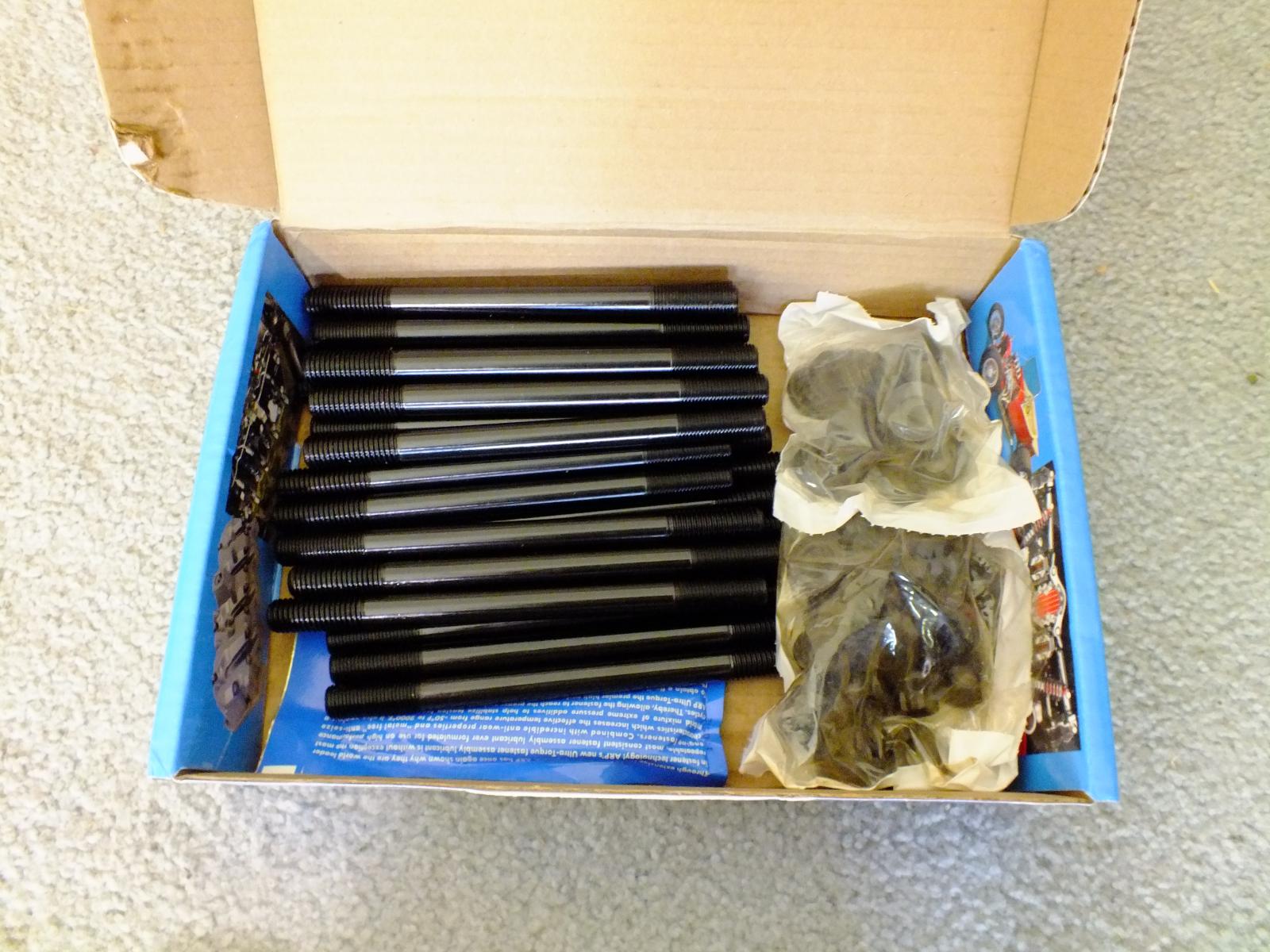
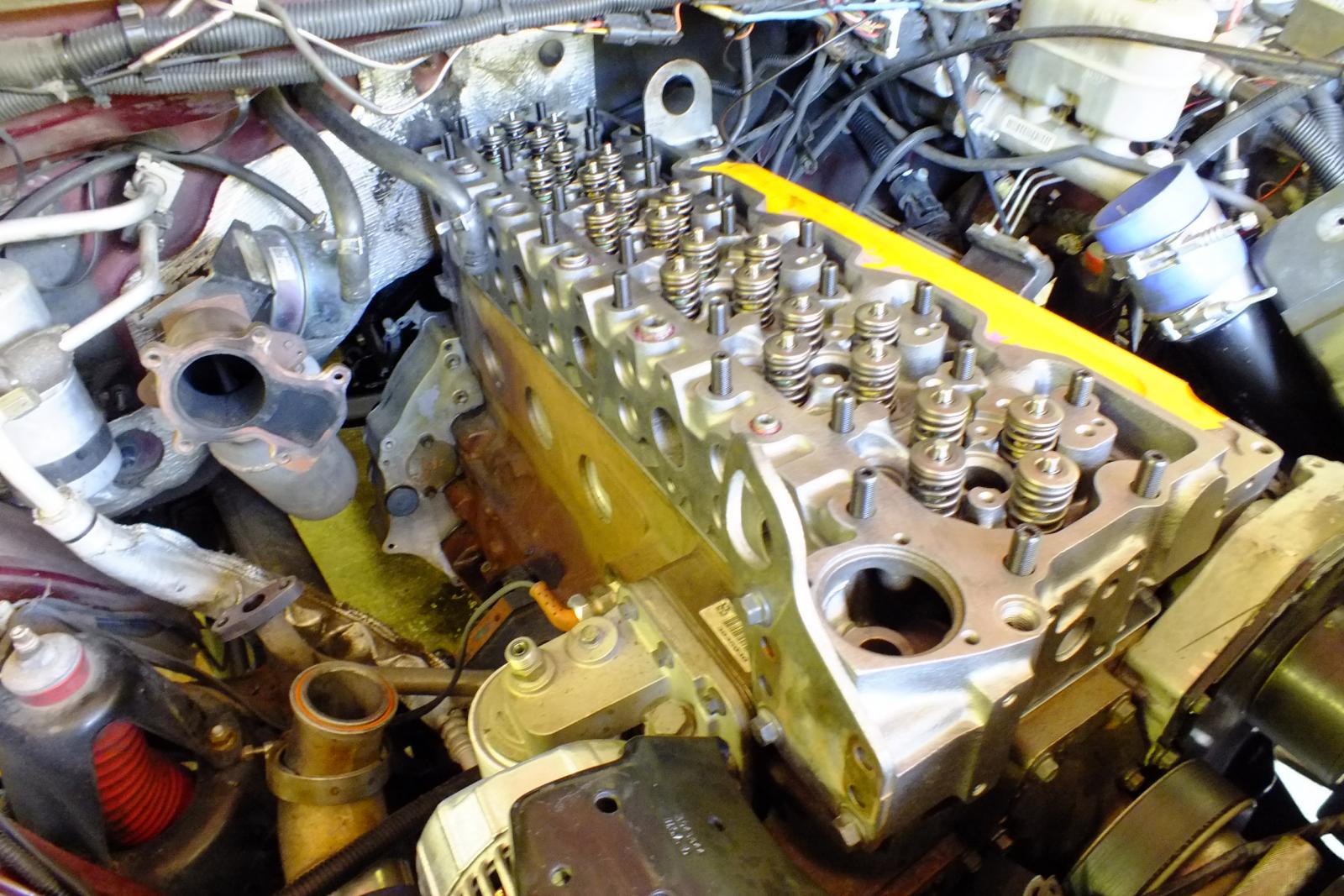
It would be worth it just to put studs in and not worry anymore.
-
Level zero uses factory timing but your 0 PSI fuel limit.
-
This is what I'm learning. 7 x 0.0085 injectors are good with the Quadzilla but you can't push any more volume than what the injector will flow at its maximum duration time. 7 x 0.010 would be a good starting place and you can tune down that injector for a daily tune just as easily. In nutshell, you no longer have to keep the Quadzilla reaching to the absolute maximum ends of everything to get the most from it. You can be slightly overpowered injector wise but cut it back using the Quadzilla for your driving conditions and driving style.
-
These truck are not designed to be driven short trip where the engine never builds full temperature. Really common out here where people live in a little town like Riggins, ID and never less than a full mile back and forth to work. A typical diesel engine will get washed out quickly because they never reach full temperature for very long if at all. Bad for even a gasoline engine to live that way. This is most of the reason why I've got good longevity from my truck. Riggins, ID is a 30-mile round trip. McCall is a 70-mile round trip. Either way I got I'm getting the full operating temperature and putting distance down. Ontario, OR trip for MoparMom is 250-mile round trip every Tues., Thurs., and Sat.
-
Sounds like the ECM is damaged on the grid heater circuit. It should of INSTANTLY power up both the grid heater relay on the key ON ran for about 15 seconds. Then clicked off. It should have had +12V power at the smaller wires. Try something disconnect the little wires on the grid heater relays and then turn the key on and see if it sets a P0380 code and P0382 code this will tell if the ECM can even see the relays. Another passing thought. The Battery temperature sensor and the IAT sensor both control grid heaters. If the battery temperature sensor is damaged or reporting high temp then the grid heaters might be disabled.
-
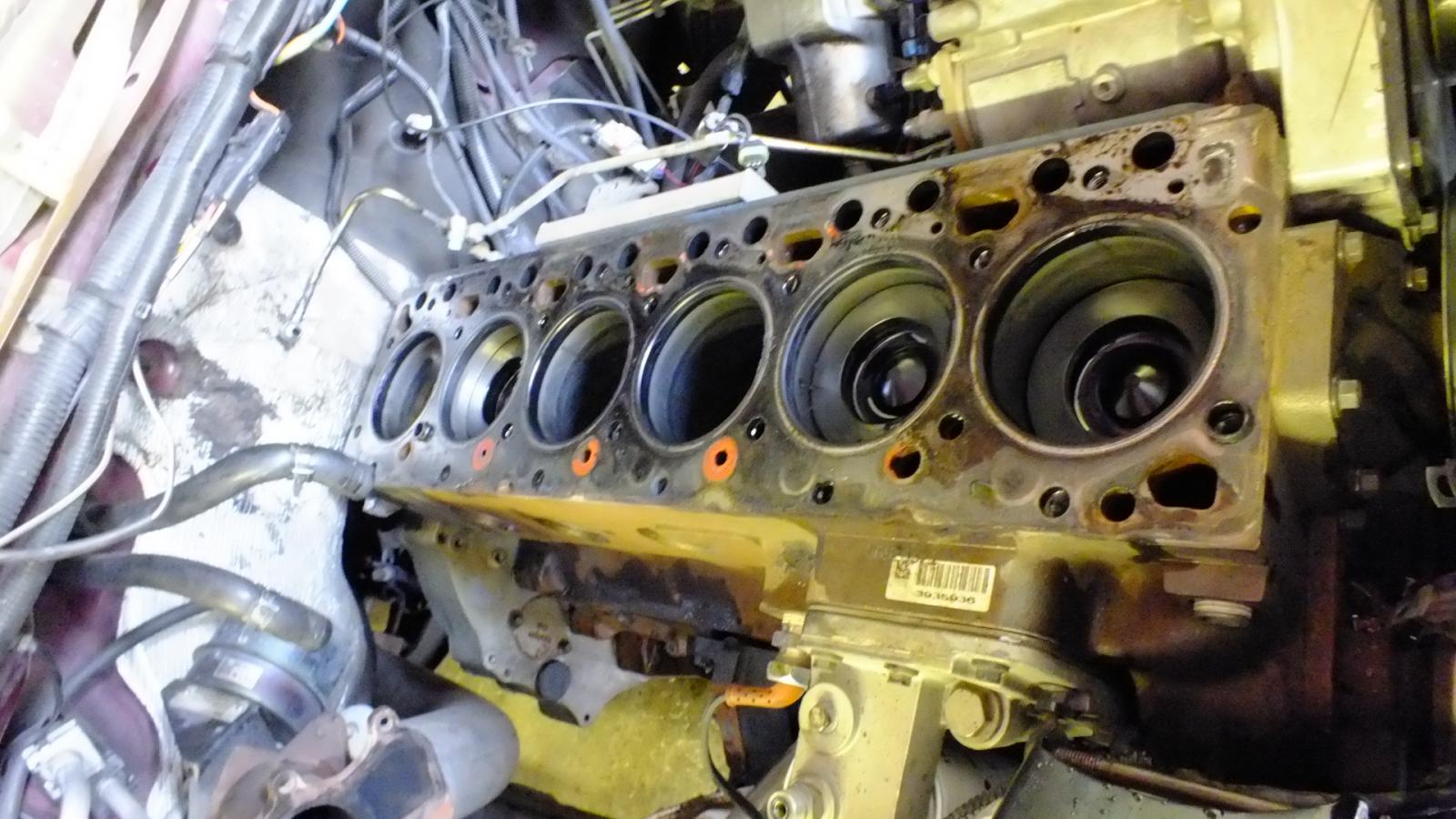
I can say without a doubt that was an abuse case. Even with all my document and record keeping even with standard anti-freeze and creek water or well water my engine is nowhere near that. Am I using spec'ed coolant. (Current is NAPA coolant) Nope. Distilled water nope. Nowhere even close to that kind of problem. The difference is I don't continue to run coolant forever which tend to create this issue. Block is still absolutely clean inside, I asked when my head was in the shop they didn't need to clean the coolant jacket at all. Spotless inside. Scale buildup is typically caused when the coolant is left in too long. The pH level of the coolant goes corrosive and the coolant starts eating everything it's touching. Like my 1996 Dodge had factory coolant in the truck when I bought it. It was already too old and was eating the metal thermostat housing. Yes this was spec'ed coolant from the manufacturer (Dodge). Just like the pictures above that is corrosion damage from lack of pH control. Very old too. I've kept my documentation rolling from start till now. Still clean!
-
For the best performance of heating and A/C you should just replace both units in the HVAC case. While the case is out lube all the door pivots. Inspect the blend door coupler. Might replace the blower motor and resistor if they have serious age on them. Attempting to flush a heater is rather futile. There is no way to ensure all the tube got cleaned out. Years ago on my 73 Dodge Charger, I got bold enough to pull the heater core unsolder the ends and using wiper blade rods I rodded out the heater core and re-soldered the end back on worked great but the tubes were already thin and didn't take long for the tubes to leak afterward. The reason I when down this road was, I tried all the flushing and scale chemical I could with little gains. Rodding out heater core makes it function like new. Being as most of the newer heater cores are now aluminum there is no way to disassemble and rod out and reassemble. Same thing with the evaporator. Best to just replace them and move on.
-
48 here... I was looking for my electrical dikes and hunted all over the shop, work benches, double check last places I could remember were I might have used dikes last. Hey, dummy! Look in the toolbox the dikes were right there in the drawer where they should be. I just did this yesterday and wasted over 2 hours looking for them.
-
Check the fuses as well I've seen strange things happen to those square fuses. They can crack and look fine but the power to the circuit is random or weak at times. Use an ohm meter to verify. One day mine would crank for short period then quit. Turn the key off and wait a few minutes. Now try again the same thing short burst of the starter and then dead. The fuse for the starter had cracked. Soon as a heavy load placed on the fuse it separated at the crack opening the circuit. Let it cool and it would close again making contact. Really simple I traded the starter fuse for another problem solved. Just needed to replace the cracked fuse. Wiring can do the same thing if its loose. Load place a loose cable I've seen them move and do weird things. Make sure your master power lead the short red from the driver side positive to the PDC is secure and clean. Remember that stud won't take a huge amount of torque. You can pull any fuse here and test the bus for +12V during the times of failure. This would point to an issues between the battery and PDC. You need to check fuse 2 and fuse 10 in the PDC. As for in the cab you need to check fuse 9 which is the power to the ECM/PCM. You can use a simple test light during the times it's not working to see if power is to this point.
-
I'm sure not running the cable all the way back over ot the other side. This why I thought of the fusible link instead of the fuse. The fuse is a problem being it the element ever cracks on you your charging system is dead. Fusible link if you find that it blew you can strip and twist the ends back together again. DVM or a test light would verify that pretty quick.
-
Yeah, I've ran Edge Comp for many years with stock injectors, RV275 injectors (+40 HP) and Vulcan Performance +50 HP injectors. The major problem is the Edge Comp tune is all wrong for any injector above stock. Timing is wrong and the fuel map is wrong this why the big hang-up with smoke in the early year and people had to run small injectors to stay out of trouble. Now with the Quadzilla controlling fueling and timing you can run much bigger injectors and no worry about smoke issues. Like @Me78569 lives in Colorado which is a smog state like California. He was very capable of passing emission test with 7 x 0.010 injectors and the Quadzilla. Currently, I'm running 7 x 0.0085 injectors or +75 HP and smoke free for the most part. All about your fuel management and timing set up. Enough early retard to build boost fast and get into your high timing bands. Fuel managment to lag your fuel till it spools the turbo good enough. All these factors Edge Products can't do. (Edge EZ, Edge Comp or the Edge Juice).