
Mopar1973Man
Owner
-
Joined
-
Last visited
Everything posted by Mopar1973Man
-
I tend to agree with ISX on the white smoke issue... :smart:But to open the door in both directions... You could pull all 6 injectors and have them pop tested to verify they are working properly. But then returning back to ISX ideas yes if timing is truely off then the white smoke will be more dominate at cold start up and have a foul smell of unburnt fuel because typically it retarded.
-
That's why I asking to verify against another computer because if the other computer responds the same way then it is a damaged memory stick. But now if it works fine then you have a USB problem at home. May I ask what computer you got? Name brand? OS? Memory? etc...
-
Clean up on ilse 4... Rogan slobbering on the monitor and keyboard again...
-
Well thank you... Well I know the guys like Dave (Ramhunter9) over on www.RamForum.com is really good with the gasoline engine and could be a big help... Matter of fact I'll send him a invite... "Hey Dave!"
-
Nice repair!
-
So you might have a pair of wore out sticks... If you get the one emptied out I would format / delete the contents and see if it servicable... If not then it might be time for replacement.
-
Wow! I paged through the first 6 pages and was totally shocked! Wow!
-
Well it looks like you got a bit of fix to your broken dash and also clean up quite the mess in the HVAC box. Sad you had to do all this because you got wild with a drill...
-
Now you going to have to hang out in another forum like www.ramforum.com to get support for your wifes new rig... Congrads...
-
The best thing I can suggest is try hooking up to another computer like a friends to verify the stick is working properly. If its still acting up then the stick is mostly corrupted/damaged. You might try to run the error-checking part for the disk properties and see if it maybe a virtual disk error.
-
Let me know how it turns out...
-
Here is a test procedure... DTC P0251: FUEL INJECTION PUMP MECHANICAL FAILURE FUEL VALVE FEEDBACK CIRCUIT Give that a shot and hopefully its simple fix... But typically its a VP44 failure...
-
Ok so you trade the Nissan in so what did you get to replace it? Come on we need to see pictures...
-
Ok so how about the miss problem? Thanks for the comments...
-
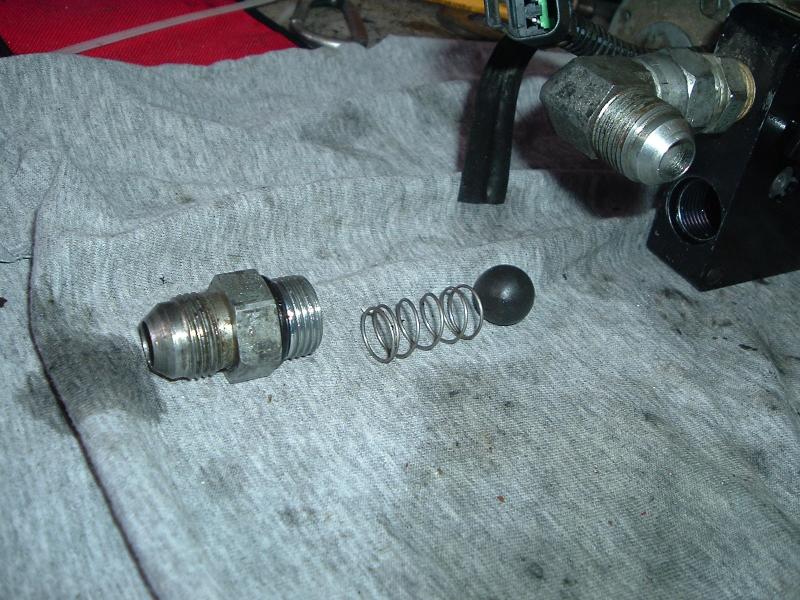
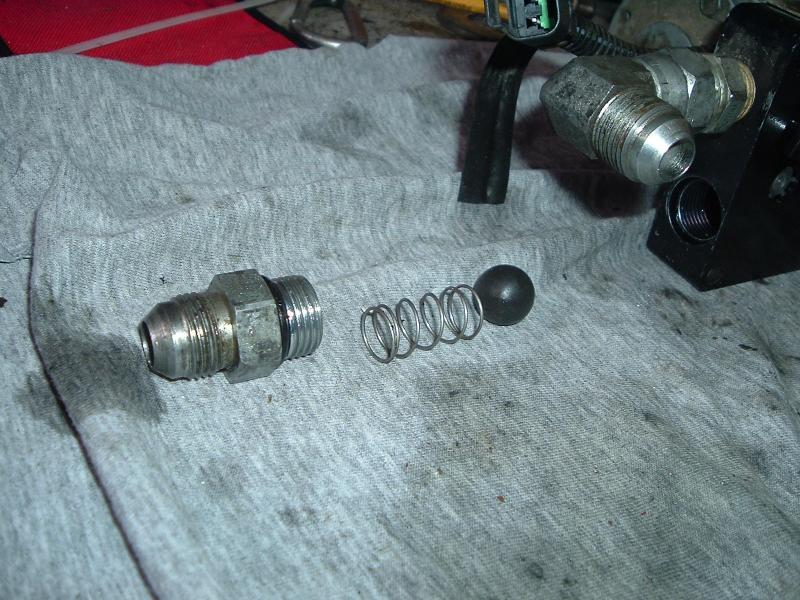
This is the assembly of the AirDog 150 fuel pressure regulator...Might mis-seated the ball in the regulator. I've seen where the ball get pinned against the wall and never seals the hole so the pressure is really low. I've found that using a pencil to hold the ball in place of the seat while screwing the fitting back in help keep it from screwing up.
-
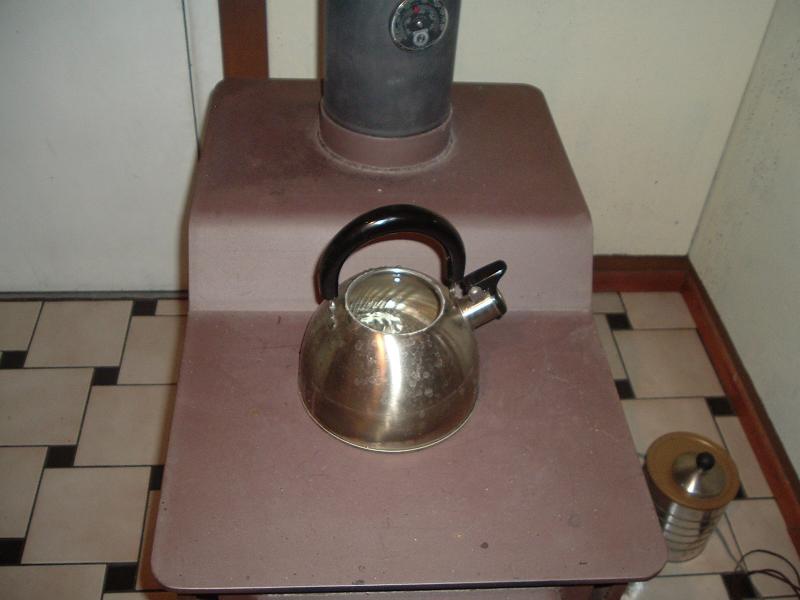
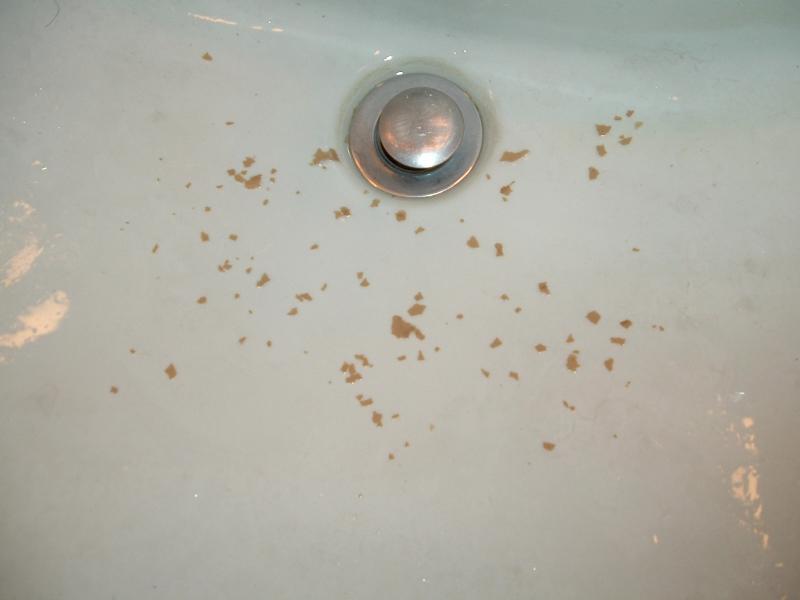
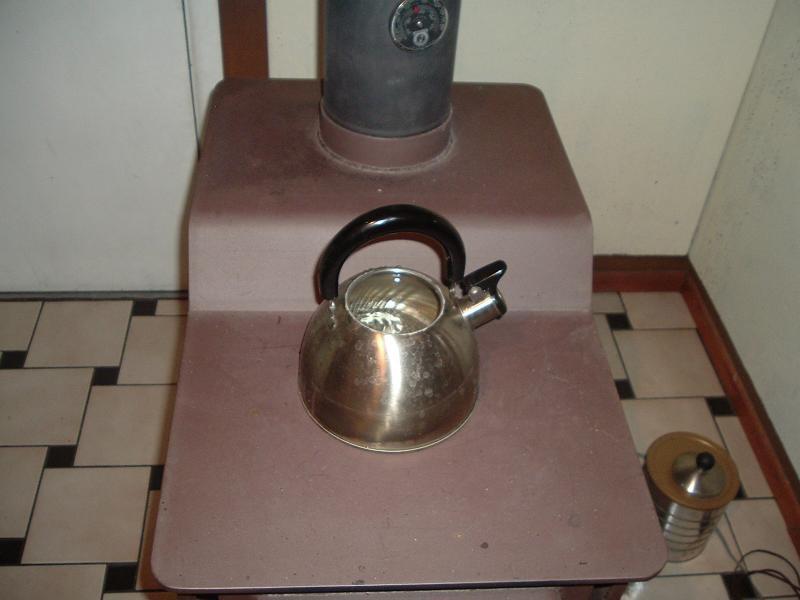
Like this... This is a new kettle we use for humidity in the house it only 1 month old... So after 9 years of well water / creek water... There is no scale build up...
-
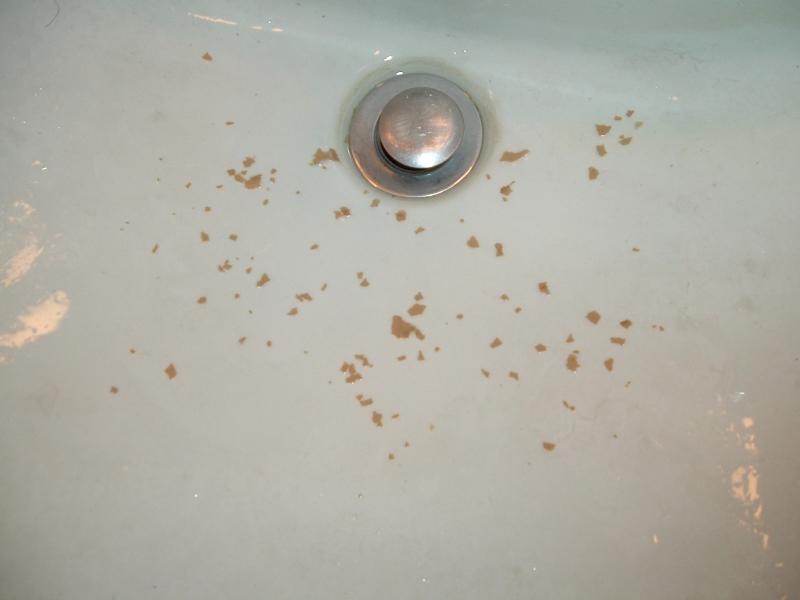
Everyone says you must use distilled water to prevent scale build up. Well for the life of my truck its either had well water or water straight from the creek. I've never had a cooling system problem or scale build up. Here is AH64ID write up. Flushing The Cooling System
-
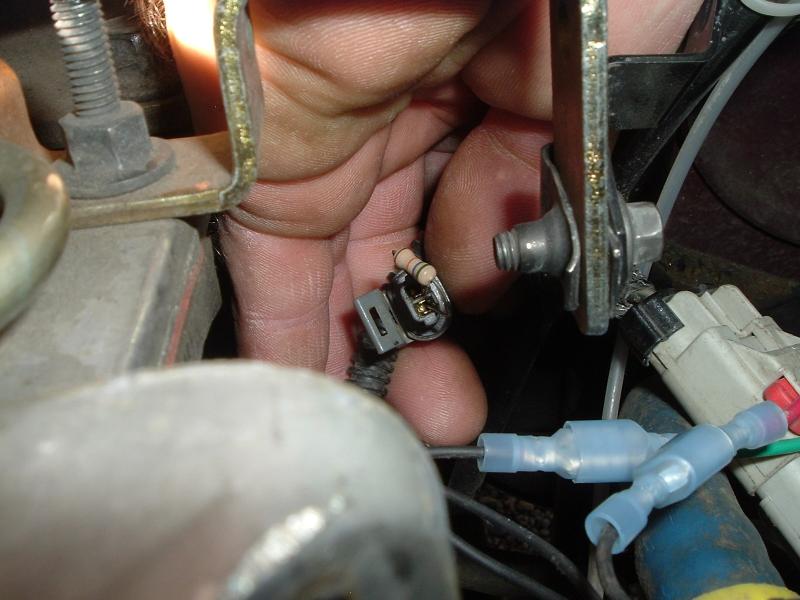
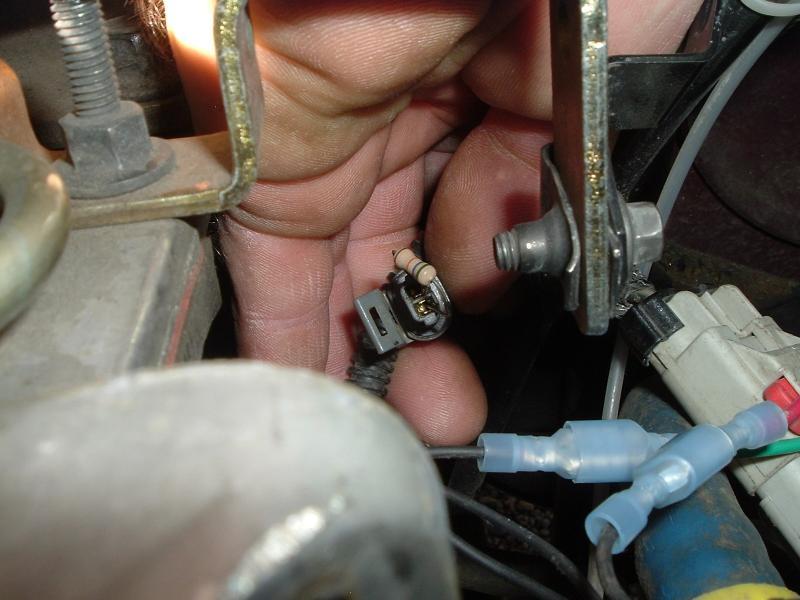
Yes... Juice should do it... I would compare both engine coolant temp and intake air temp they should be exactly the same at cold start if not one of them has failed. Yes its possible for a sensor to fail within specs and not trip error code or light. Hence why I get away with a 2.2K ohm jammed in my IAT plug...
-
This should help...(attached file) oil relief.pdf
-
Ok... I'm going to push now... what is your IAT temp like during the cold periods? You going to need a live data tool like ScanGauge II or simular to answer this question.If you want to gamble a bit you could try fooling ECM with a 2.2K ohm resistor in the IAT plug and see if it resolves the issue. What this will do is fix the IAT temp to 143*F. This will rule out if the IAT sensor is goofy.But the live data tool would be handy because then you could look at all sensors...
-
Well I would double check all electrical connection like battery cables and such... I would pull the alternator and have it bench tested just to put your mind at ease. Make sure the do a diode test too.As for the miss I would look at fuel pressure and error codes first thing... As for the fuel pressure what is the fuel pressure at idle and what is during road load (trailer) with your foot in the throttle?
-
Flagmanruss is right... Turbo has no bearing on crankcase pressure... Vacuum pump might thought... The way you could test it is by capping off the vacuum nipple right at the vacuum pump and see if that reduces the blow by. This is a crude method once again but it might give a clue...Back to my idea of compression testing you could at that point do what called a leak down test which is where you pressurize each cylinder with air and see if the air comes out of differeplace like crankcase vent, intake, exhaust, etc. Of course this requires a barring tool and a way of locking the engine at TDC for each cylinder. Kind of defeats the test if the engine rolls over till a valve opens...
-
From about 1,500 to 2,000 RPM's is your torque curve pass 2,000 RPM the torque start heading down hill on most trucks and the HP starts to flatten out some. Remember this is just rule of thumb guys/gals... I know some of you can provide dyno sheets with torque going well into the 3K catagory.
-
I've seen several good ideas here already for installing axles seals...
-
As for the 22 PSI it unknown...You have to remember the orignal design was setup for 14-16 PSI which was the stock carter lift pump.As for the lift pump shutting down it normal. It called PWM (Pulse Wide Modulation) where the ECM command a on time and a OFF time in rapid series. With VP44 with torn diaphragms more people rig up a relay to cut the fuel signal during cranking because the VP44 will be hypersensitive to fuel pressure. But this condition is caused from running too low of fuel pressure.