
Mopar1973Man
Owner
-
Joined
-
Last visited
Everything posted by Mopar1973Man
-
Yes but the voltmeter has to have a 2V or 20mV AC option. If you volt meter only has like 200V option then it's not going to work. If the volt meter responds with a 29 to 31 volts its too cheap of a meter. Typically a good DVM around $100 buck will do it. Like I've got a old Fluke 75 which can measure multi-frequency down in the mV range AC.
-
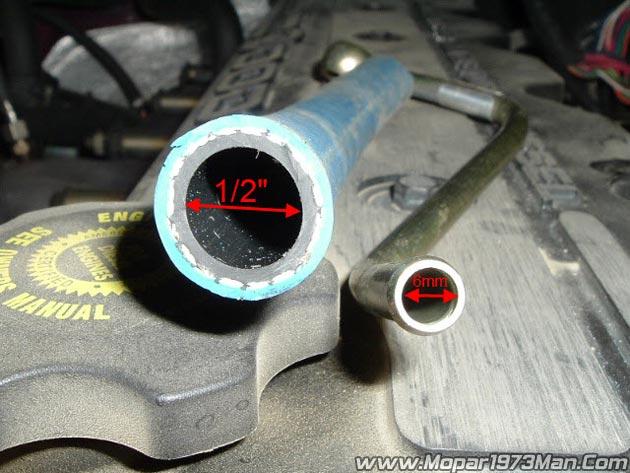
AirDog 150 or FASS 150 is most likely the cheapest option. Any kind of direct replacement pump is not going to work. The problem is all the banjo bolts and stock 6mm (0.23622 in) fuel line needs to go away. All fuel system kits change over to full 1/2" from the fuel tank to the injection pump. Then with the Airdog or FASS and a Big Lin Kit from Vulcan you can keep the stock filter which now allows for double filtering of the fuel. This extends my filter life so far to 60k miles per filter change.
-
Just checking on https://inciweb.nwcg.gov not listed as of yet. Hang in there...
-
More than like a cause is excessive AC noise. Test the alternator for AC voltage and report back. If the alternator is failing or marginal then you'll want to replace the alternator. After the alternator is replaced, I would suggest you do the W-T ground mod. Then if this is too confusing I've got my simple version of the article.
-
Yeah, the economy is doing so good then why did my bank close up all the local branches? Now I've got to drive 125 miles one way just to deal with a check. (Ugh!) You do call 50 million times. But you enjoy it...
-
There are a few members here that did the p-pump conversion but all I can say is the truck is no longer really daily drivable. Most of them after conversion end up buying another truck because of issues. Some of them sold the truck shortly after words. Some have parked them because of too much trouble for excessive smoke. I would highly suggest keeping the VP44 for daily driver being the Quadzilla tuner give a full range of timing control and fuel control. With the p-pump conversion, you lose all dynamic timing for static timing. Then there are other things like my truck is a fly by wire cruise control you would lose that function. There is nothing to gain with a p-pump. Now if you planning on dyno queen or quarter-mile track star. I'd say go for it. P-pump it. They do fuel more than a VP44 but you only need to make a quarter mile at a time.
-
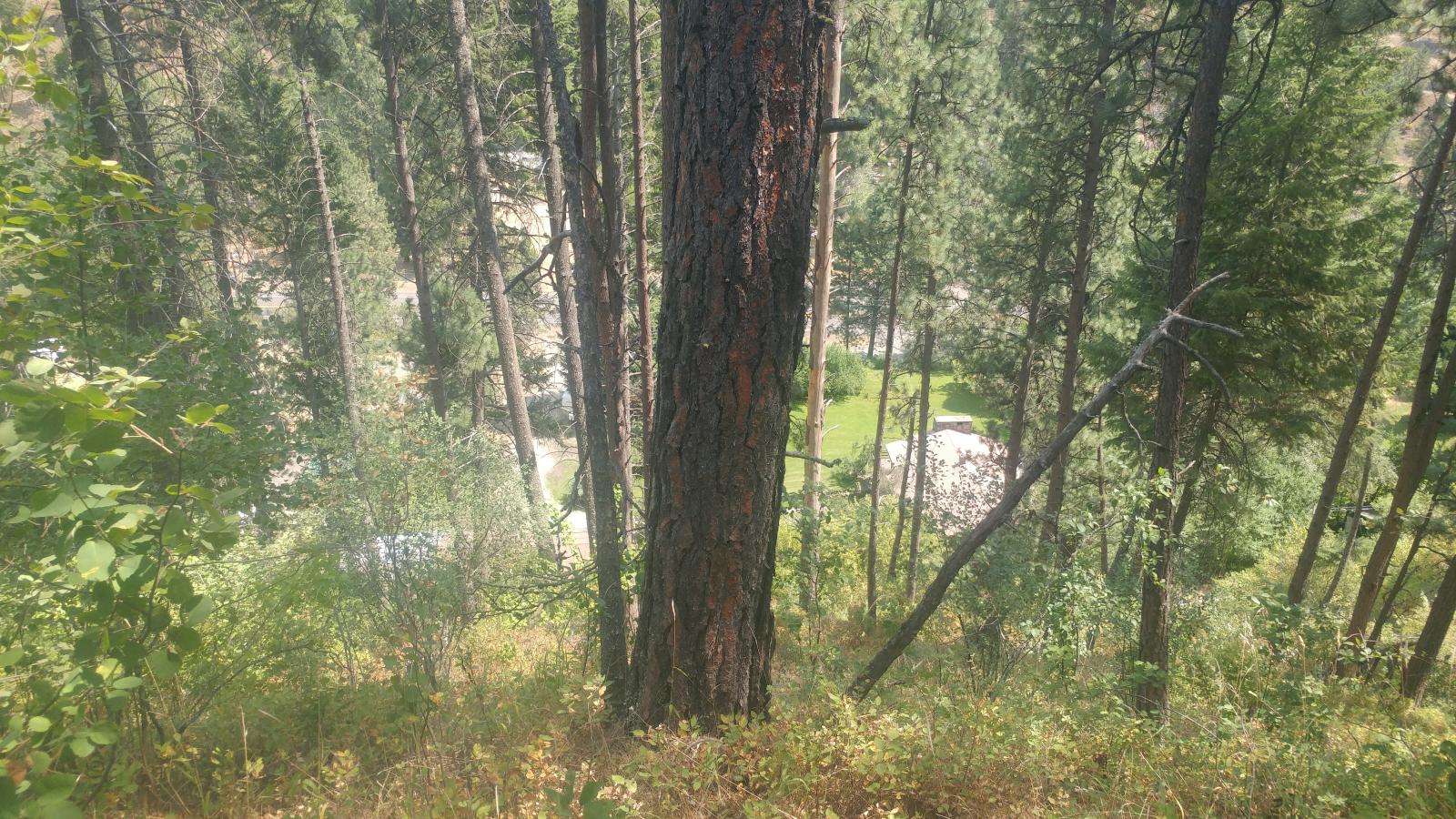
I consider myself in a good spot. Just north of me, the fire burned all the way down the mountain. The only thing is the 100-foot embankment behind the housing that is a possible concern. Now I was smart last night I fired up the sprinklers and water the yard really well. Now I just moved my sprinklers up on the mountain. There is one sprinkler behind the guest house / shop that is covering nearly 75-foot circle that reaches the front edge of the roof. I've got another sprinkler behind the main house and it's covering the full width of the house and slightly hitting the roof. Then one more down by my generator shed which has 100 gallons of diesel and gasoline (Ekk). 4th sprinkler down at my waste pond to give the firefighter a shot of using the pond for backup water if needed. I'm in good shape.
-
Battening down the hatches.... Stag 3 Evacuation orders given as of yesterday. In other words, LEAVE NOW! I'm staying!!! I'm going to hold the fort with MoparMom and Myself. Dry Lightning storm rolling in right now and going to have high winds 40-50 MPH winds out of the west. Basically, it could push the fire right back on us pretty quickly. https://inciweb.nwcg.gov/incident/5999/
-
I feel the love @JAG1 ...
-
Well my Linux Server skills are getting well known in certain circles and people finding out I can do some fantastic things on Linux OS systems. Ask @IBMobile about his screw up here on the website. You find out he "deleted" my fire thread by accident and was able to recover the thread while standing in WinCo shopping with him on my cellphone took less than 30 seconds to fix. Being I've put in a lot of hours doing custom modification to SmartyResource.Com I ask to trade the work in parts and not a paycheck. BAM! it happened. Tires, seals, etc. You'd be surprised of all the connections I've got with different people and business. Trying to recover from the hijack... Back to the OP if you looking to get tires to break loose on command it like @Me78569 said you need the fuel to come hard and fast. The timing needs to dip low get the turbo to spool fast but recover to high timing quick to keep feeding the fuel to it.
-
Dual disc is typically for 550 HP and up. Talked to Peter at South Bend as well on this and shift behavior is a bit different. Single disc typically performs better. Like I'm on my second Con OFE clutch and no issues towing or exhaust brake usage. https://mopar1973man.com/garage/modification/258-south-bend-ofe-clutch/
-
Might ask @Me78569 his on the quest of 4th gen info now that his an owner.
-
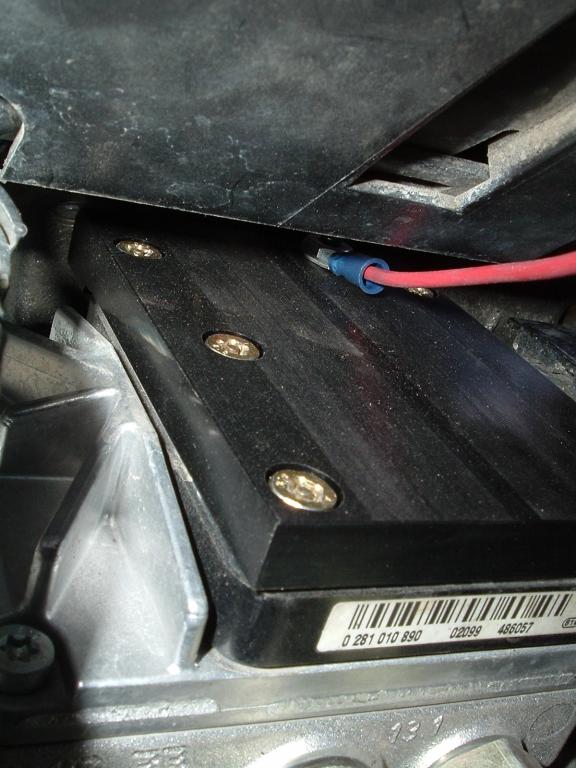
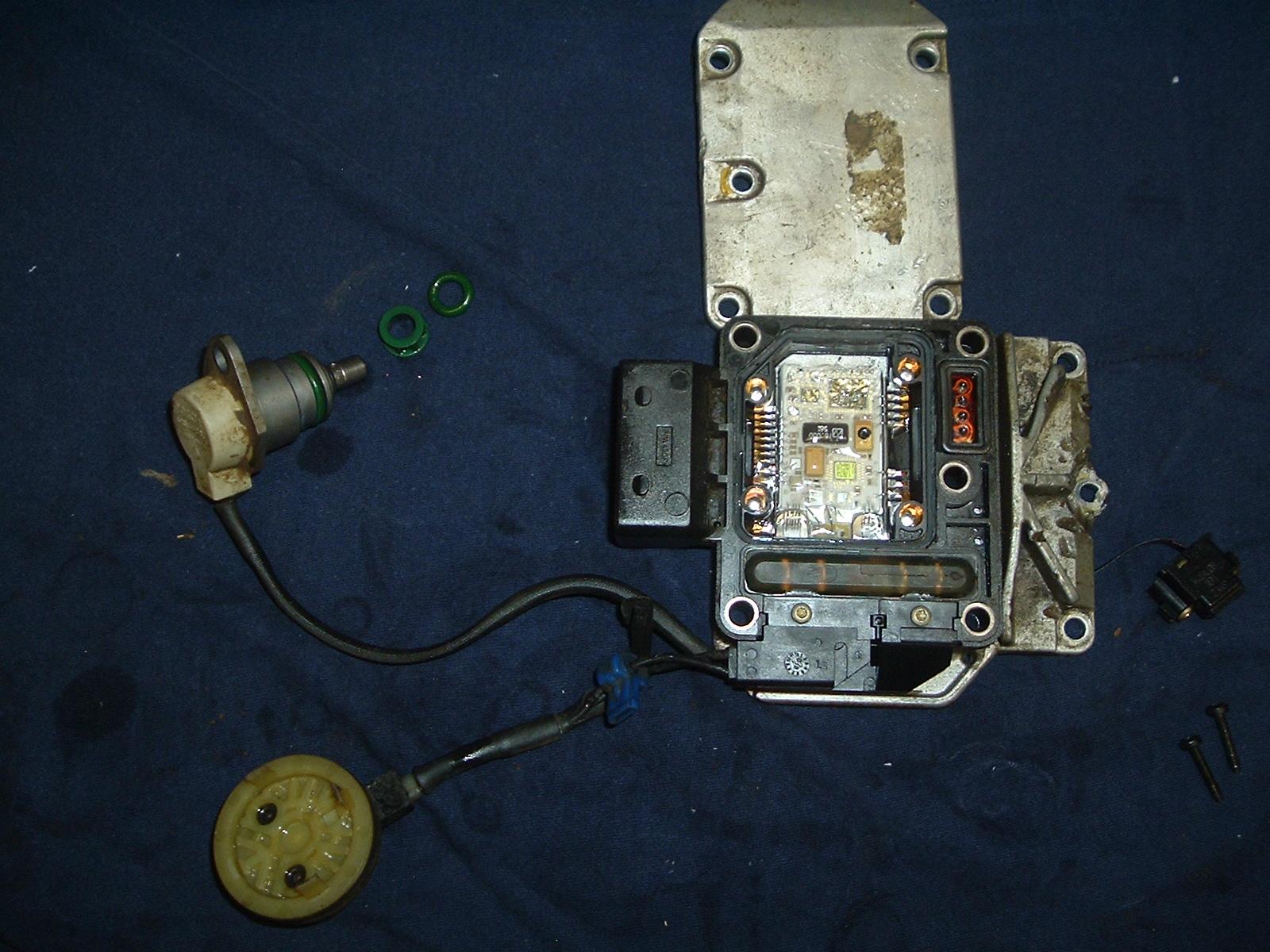
Wire tapping is exactly that, you are tapping the fuel solenoid lead. This allows the Quadzilla direct control of the fuel solenoid. I'm using a Stealth plate. This plate taps the wire for you. Here is a standard scotch-lock wire tap which typically is a poor method. Fuel Stretch you taking the CANBus fuel pulse that is being delivered to the solenoid (square wave) now your going to stretch the square ware pulse out say 1,800 us more. Making the VP44 fuel harder and longer. Hence the power increase.
-
Correct. 14-20 PSI while it's rolling down the pavement. 10-14 is a warning zone. As the pressure falls from 14 PSI down to 10 PSI the overflow valve is closing and returned fuel is being restricted. 10 PSI and lower the overflow valve is closed completely and no return fuel will flow at all from the VP44. This is highly damaging. Just consider fuel pressure like oil pressure if you starve the engine for oil pressure it will wipe out bearings quickly. Same thing for VP44 since the only thing cooling and lubing the pump is return fuel this means you MUST keep pressure above 14 PSI all the time.
-
Ok. I tell the story... When you doing website administration for other people like "Smartyresource.com" and the owner "Rip Rook @ Source Automotive" ask if there is anything I need. I told yes I need a set of tires for the half ton truck. Then I need the valve seals for the Cummins. All materials delivered as promised. Tires are installed. I'm planning on downing the Cummins to start the head work very soon. Again I wouldn't complain about the brand of tires if some give them free. So now you all know my little secret I have my hands in many websites and you'll set noticing my handy work in the web.
-
I wish we would of knew that we have vendors with better prices than that. Also, I've been known to teach people how to change injection pumps over the phone. Ask @JAG1 he finally changed his first injection pump this summer. Typically I get a pump for about $1,200 then I charge about $120 to change out the pump being it takes me an average of 2 hours to change them.
-
When tires are given to you free of charge are you going to whine about brand name? I paid nothing for them. Shipped for free. Even mounted and balanced for free. Seriously would you complain?
-
It can be blocked on the outside by ash. Typically caused by running waste engine oil, ATF or any lube oil with ash content. Hence 2 cycle oil most of it is ashless here in the states.
-
You can use 80w-90 in the front to reduce drag. Since 75w-140 is much thicker.
-
I'm assuming there are differences in the floorboard and mounting. Basically you going to have to make steel blocks for the base of the seats and the use longer bolts. I've seen people retrofit different seats into 1st gens like a friend mounted a Ford bench seat in his 92 Dodge and took a bit of block and bolt work.
-
Fuel pressure is checked in 3 different states. 1. Idling 2. At highway speed 3. Wide open throttle I only see one number I'm going to assume just idling. Might look OK but you could find out take pump is hitting 0 PSI at WOT. Needs to be 14 PSI at WOT as a minimum.
-
Not my property. At the point of the black. Is my neighbors property.
-
I've done the 215s on 1996 Dodge right now I've got to admit it shifts better, hold road speed without lugging at 55 now. MPG seems to be up another 2 or 3 MPG. Better passing power.
-
When the pop pressure is roughly 4,500 PSI just o start the injector and the VP44 can reach up to somewhere around 20,000 PSI. The best stuff for cleaning injectors is a can of Carb Dip which will strip the carbon right off.
-
Yeah, that pressure plate is burnt up. Wow! I don't one Kabota tractor in the past and man that is a pain the to get them split and balanced on jack stands.